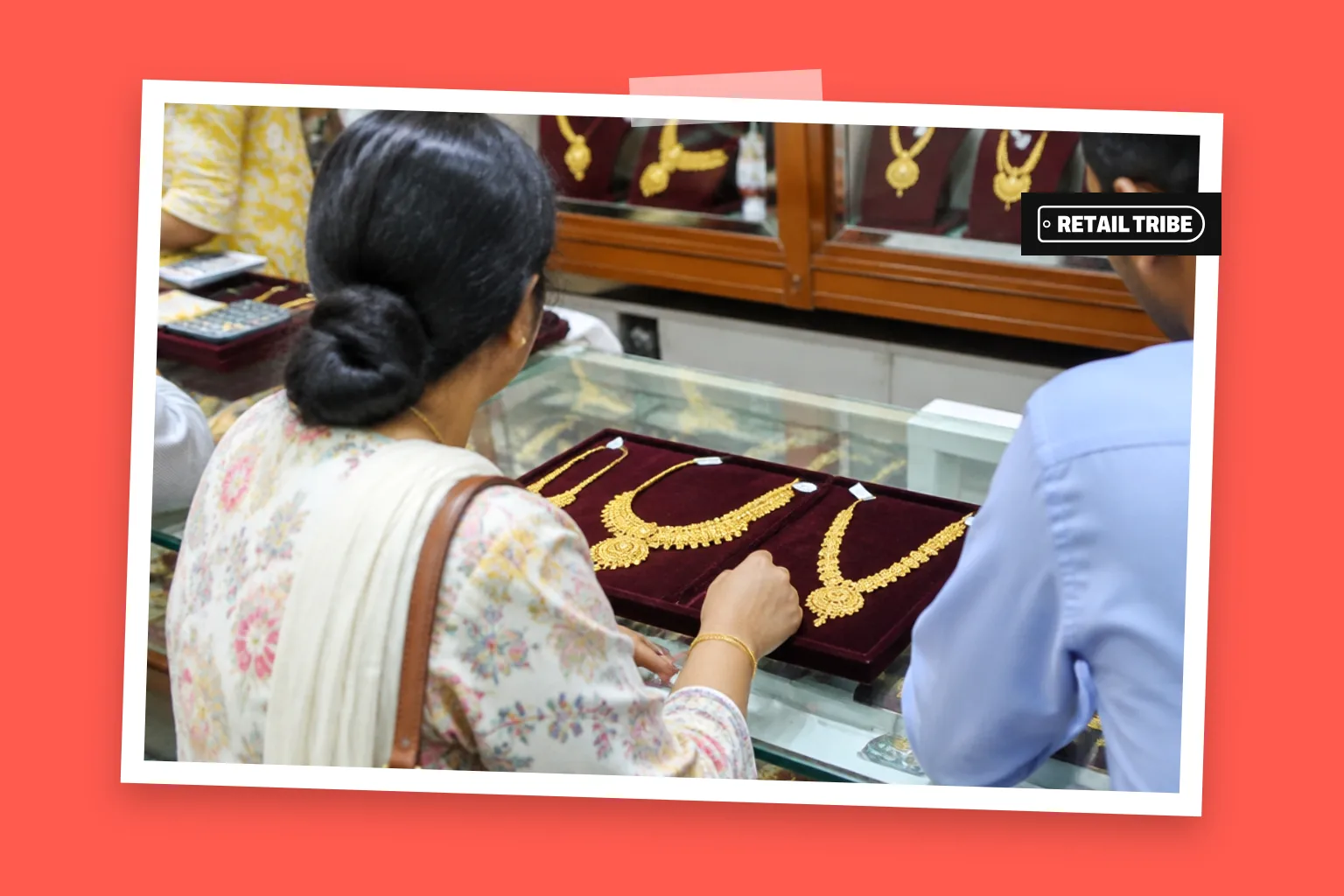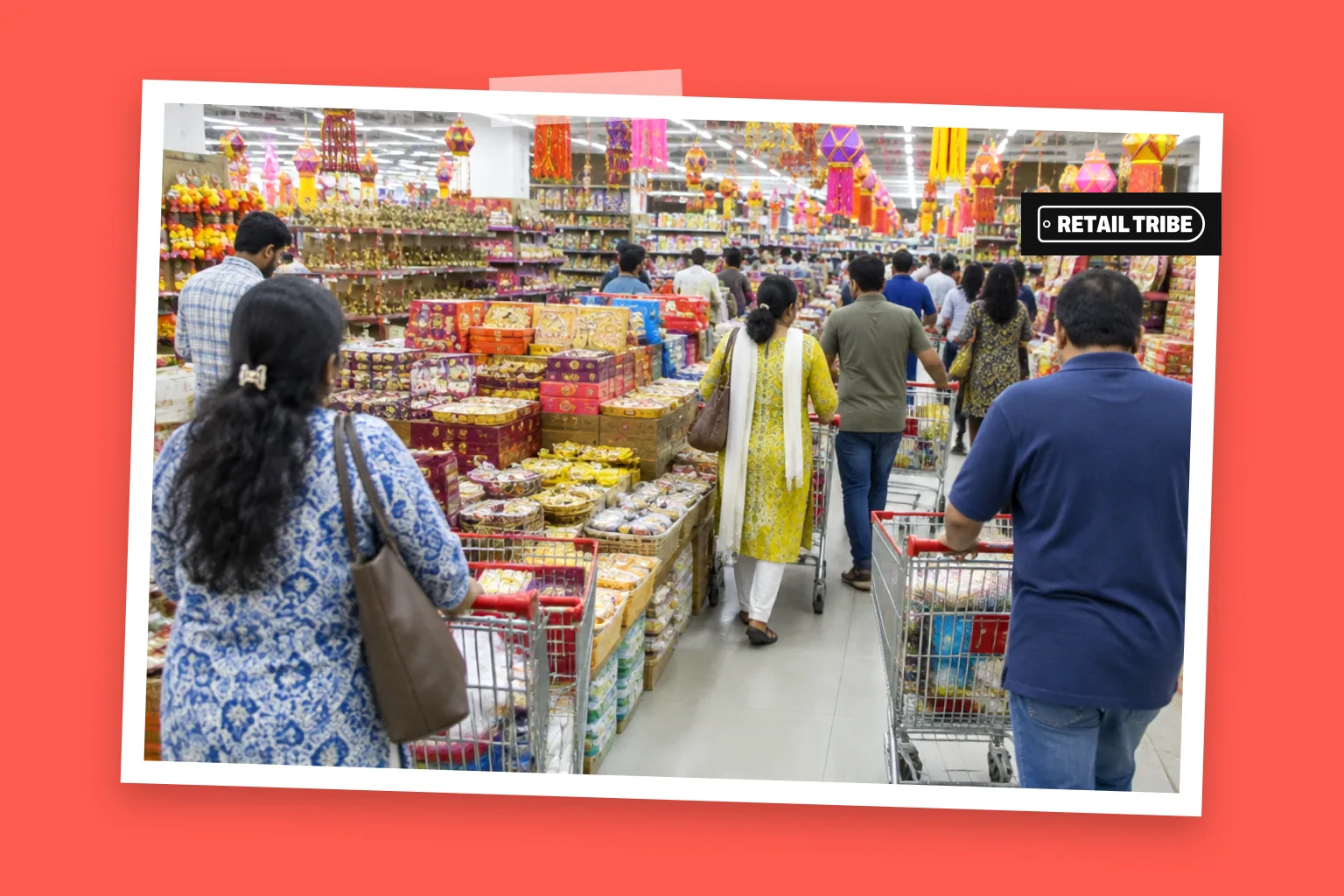
The festive shift into Q3 has distorted September-quarter retail results across apparel, footwear, jewellery and beauty. Vishal Mega Mart reported same-store sales growth of 5.4% and said the festivals moving from Q2 to Q3 cost it 3-4 percentage points, putting its adjusted figure at about 9%. Navratri, Durga Puja and Dussehra fell in October this year rather than late September, so clothing-heavy festive buying landed in the next quarter.
What actually moved in the festive shift
V-Mart's business update dates it precisely: Navratri began on 11 October 2026, against 22 September in 2025, a shift of 19 days. Vishal Mega Mart's results release counts it as 18 days. The government's 2026 list of gazetted holidays puts Dussehra on 20 October and Diwali on 8 November.
Diwali itself did not change quarters. Vishal Mega Mart's founder and managing director, Gunender Kapur, told analysts on its earnings call that Diwali, mainly a general merchandise and grocery festival for the chain, fell in the October to December quarter both this year and last. The festivals that moved, Durga Puja in the east and Dussehra in the south, are the big clothing occasions, which is why apparel took the hit. The shift also cut the other way for some: Senco Gold said in its business update that Pitru Paksha, a period when jewellery buying slows, fell for only four days in Q2 against 15 days a year earlier, which helped its quarter.
Which retailers flagged it, and by how much
Several companies quantified the effect in their own filings. V-Mart reported same-store sales growth of 3% for the quarter, or 11% adjusted for festive timing. Shoppers Stop's department stores grew like-for-like sales 2%, or 7% on its festive-adjusted basis. Baazar Style Retail, strongest in eastern India, said its second-quarter revenue fell 10% and same-store sales 25%, mainly because Durga Puja moved.
Others described it without a number. Metro Brands said revenue growth of 12.2% was modest because a larger share of demand moved into Q3. Titan's quarterly update said jewellery demand softened towards the end of the quarter owing to the calendar. Nykaa said some festive-led growth had shifted from Q2 to Q3. Kalyan Jewellers reported same-store growth of about 20% despite a high base, noting that all nine days of Navratri fell in Q2 last year. Trent's 5 October update, which showed revenue up 23%, did not mention the calendar.
How to read Q2 and Q3 retail results
The distortion goes beyond sales. When revenue slips into the next quarter but rent and salaries do not, margins fall. Vishal Mega Mart's operating EBITDA margin was 7.7% against 8.5% a year earlier, which it put down to operating deleverage from the shift. Its CFO, Amit Gupta, said 20 basis points of a 30 basis point fall in gross margin came from apparel sales moving to Q3.
Three habits help. Compare first halves or, as Vishal Mega Mart's management suggested, the first nine months, which will capture both festive seasons. Treat festive-adjusted growth as a company estimate: the methods are not disclosed in detail, are not audited and differ between companies. And expect October-to-December results to flatter, since they now hold both the clothing festivals and Diwali. Our guide to what retailers' quarterly results reveal about profitability covers the other adjustments worth making.
Questions this story answers
Why were Q2 FY27 retail results weaker?
Navratri, Durga Puja and Dussehra fell in October 2026 rather than late September as in 2025, so festive clothing purchases moved into Q3. Vishal Mega Mart said this cut its Q2 same-store growth by 3-4 points, and V-Mart, Shoppers Stop and Style Baazar reported similar effects.
Did Diwali move from Q2 to Q3?
No. Diwali fell in the October to December quarter both this year and last, as Vishal Mega Mart's managing director pointed out. The festivals that moved out of Q2 were Navratri, Durga Puja and Dussehra, which are the main clothing occasions in the east and south.
How should investors read Q2 and Q3 retail results?
Compare first-half or nine-month figures, which capture the full festive season in both years. Treat festive-adjusted growth as an unaudited company estimate whose method varies, and expect October to December results to look stronger than usual because they hold both the clothing festivals and Diwali.