
PEOPLE & LEADERSHIP · 28 OCT 2026
Dyson India hires Bata's Abhinav Sharan to head exclusive retail
Sharan, most recently head of retail operations at Bata India, joins as Dyson builds its premium store network around demo stores.
Sharan, most recently head of retail operations at Bata India, joins as Dyson builds its premium store network around demo stores.
The Italian fashion retailer, in India since 2025, will add four stores in 2027 and launch its own online store within nine months.

Filings shared by Tofler show revenue of ₹1,04,607 crore and net profit up 66% to ₹5,311 crore for the year to March 2026.
The deal, paid in tranches as fresh equity, gives the jeweller an online-first lightweight jewellery brand aimed at younger buyers.

Revenue grew 14% to ₹5,661 crore as the India branded business rose 17%, with quick commerce and e-commerce now 24% of domestic sales.
Rent, catchment, supply reach and payback time decide where chains open next. Here is how to read the expansion map beyond the announcements.
Lower rent and salaries make tier-2 stores look cheap. Distribution, ramp-up time and local assortment decide whether they actually pay back.
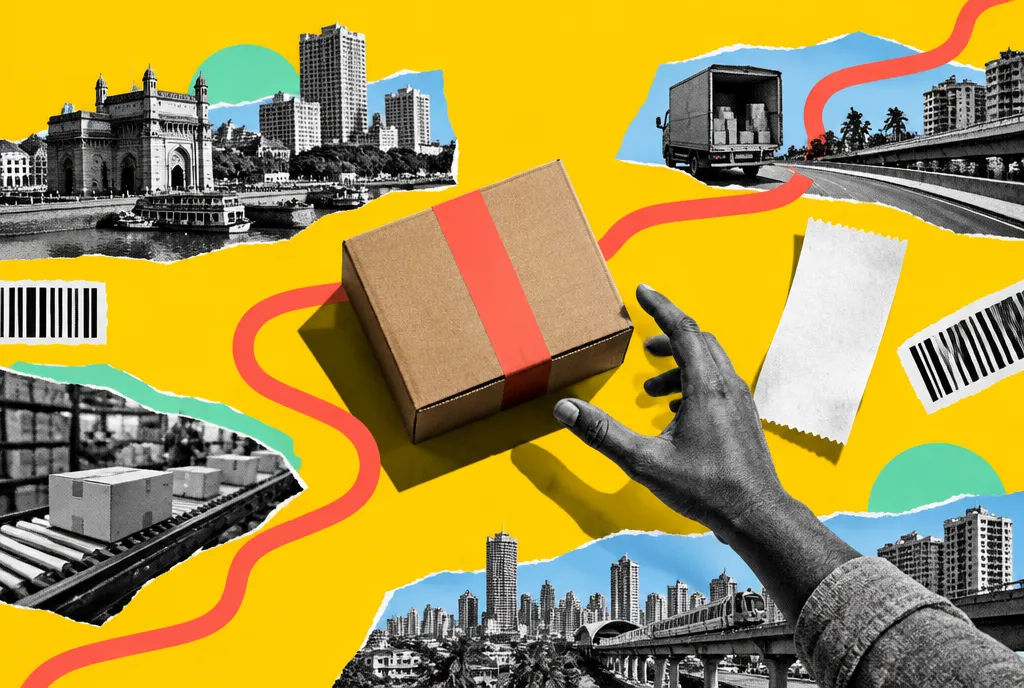
Commissions, volumetric shipping, payment charges, advertising and returns all come out before settlement. How to build an honest contribution margin for each online order.

Demand for premium beauty reaches well beyond the metros. The harder problem is building trial, advisers and full-price sales in smaller cities without eroding margin.
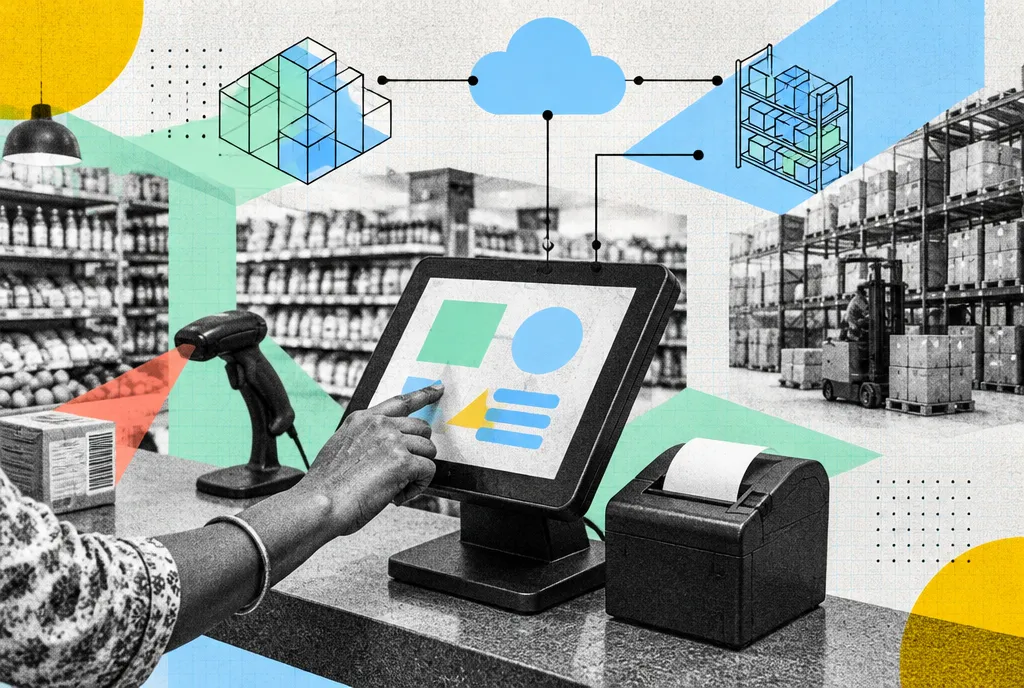
A new point-of-sale system touches pricing, inventory, payments, tax and every cashier. Retailers that treat the upgrade as operational change tend to recover the cost.
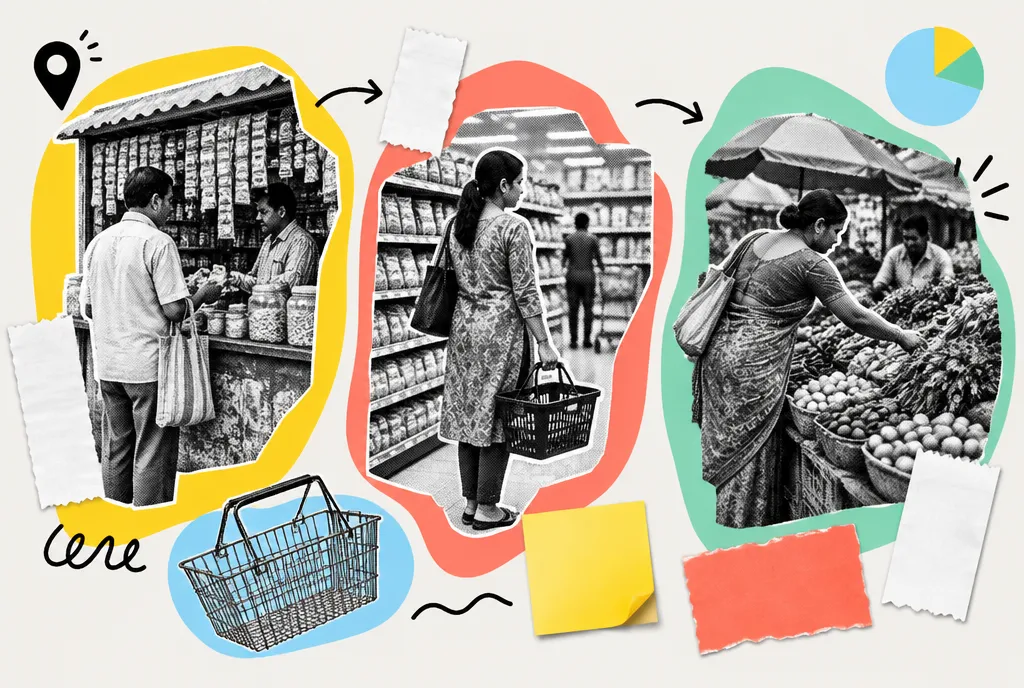
The label groups together shoppers who differ on income, language, climate and retail access. Planning for a single average non-metro customer leads to costly mistakes.

A working high street is a system of footfall, tenant mix and access. Here is how those parts interact, and which signals separate durable streets from fragile ones.
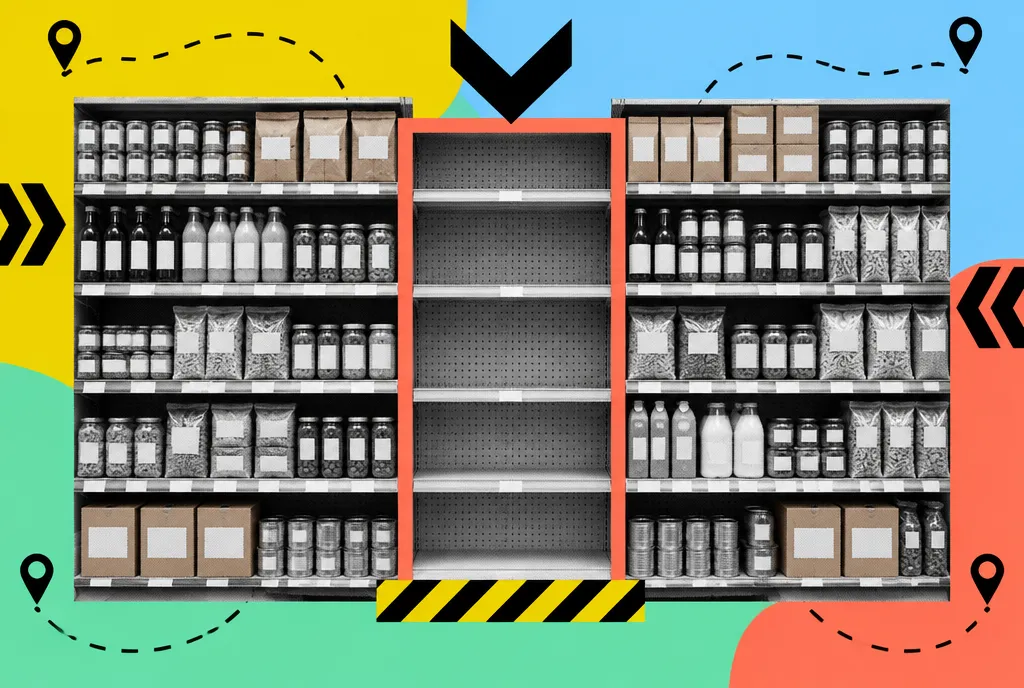
An out-of-stock bay costs more than one missed sale. This explainer traces how stock-outs happen, what shoppers do instead and how retailers can measure the damage.

The category head decides what goes on the shelf, at what price and from whom. Here are the decisions that fill the role and how they are judged.
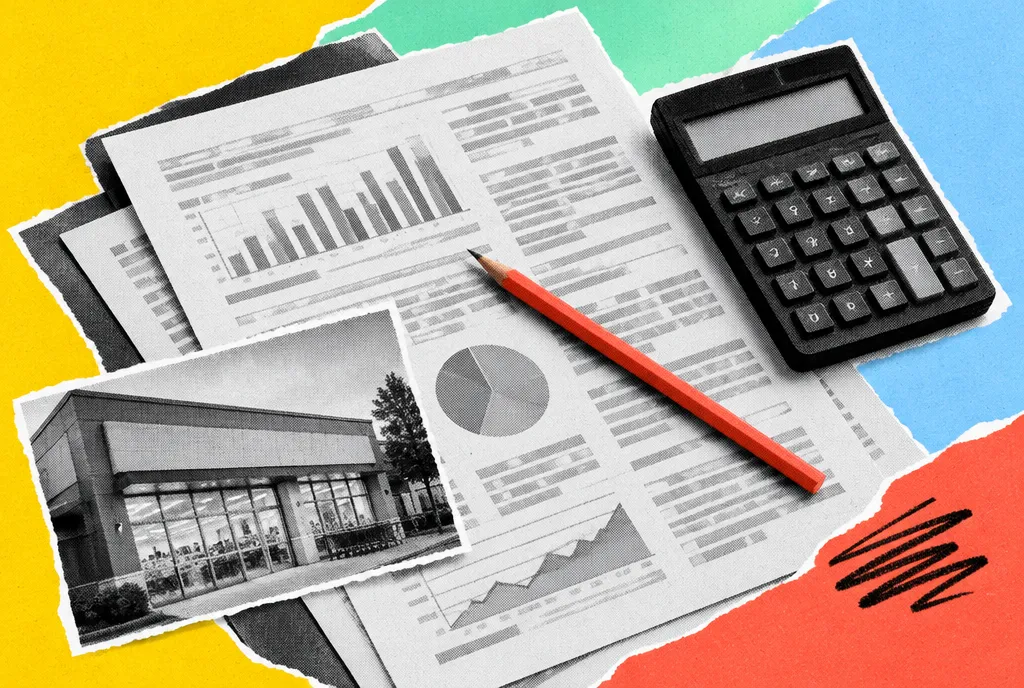
Same-store growth, gross margin, lease-adjusted earnings and cash flow tell different stories. A guide to reading a retailer's quarterly numbers before comparing companies.
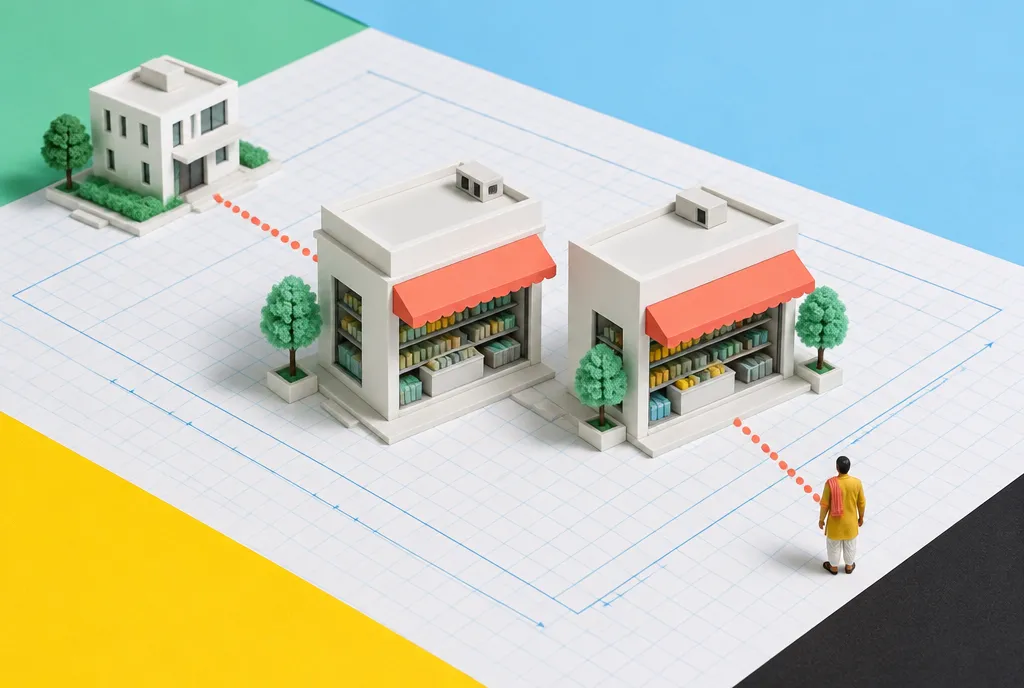
Franchising trades margin and control for capital-light speed. The real question is which stores belong in which model, and how incentives are aligned.
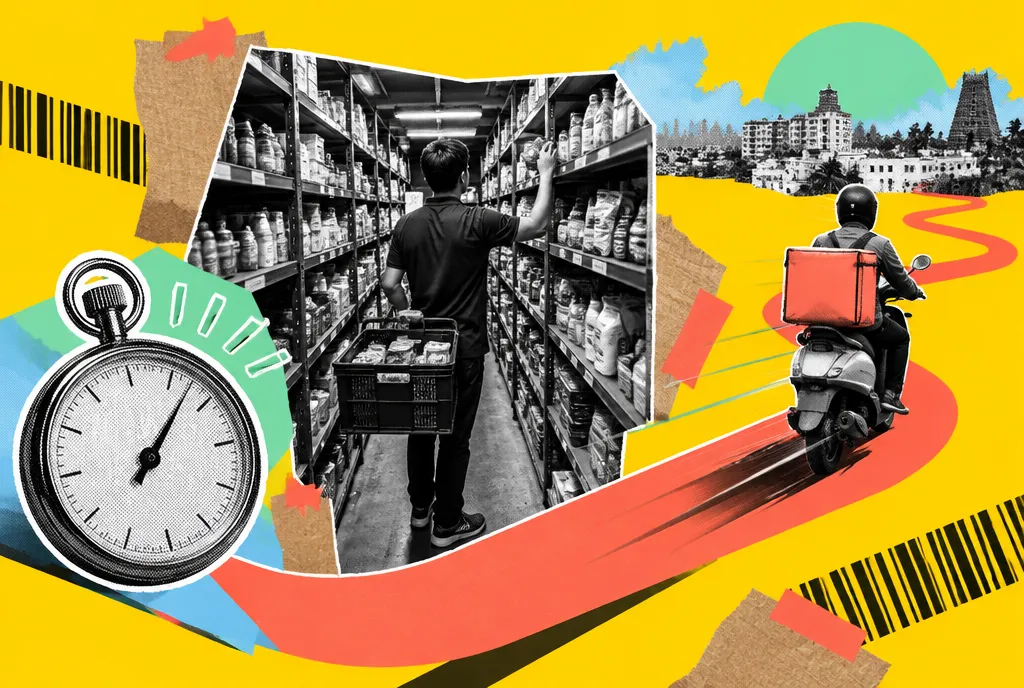
Dark-store space is scarce, so every slot must earn its place. How delivery promises are reshaping pack sizes, assortment depth, replenishment and brand negotiations.

Own-brand staples promise better margins and stronger hands with suppliers. They also shift sourcing, quality and working-capital risk onto chains of modest size.
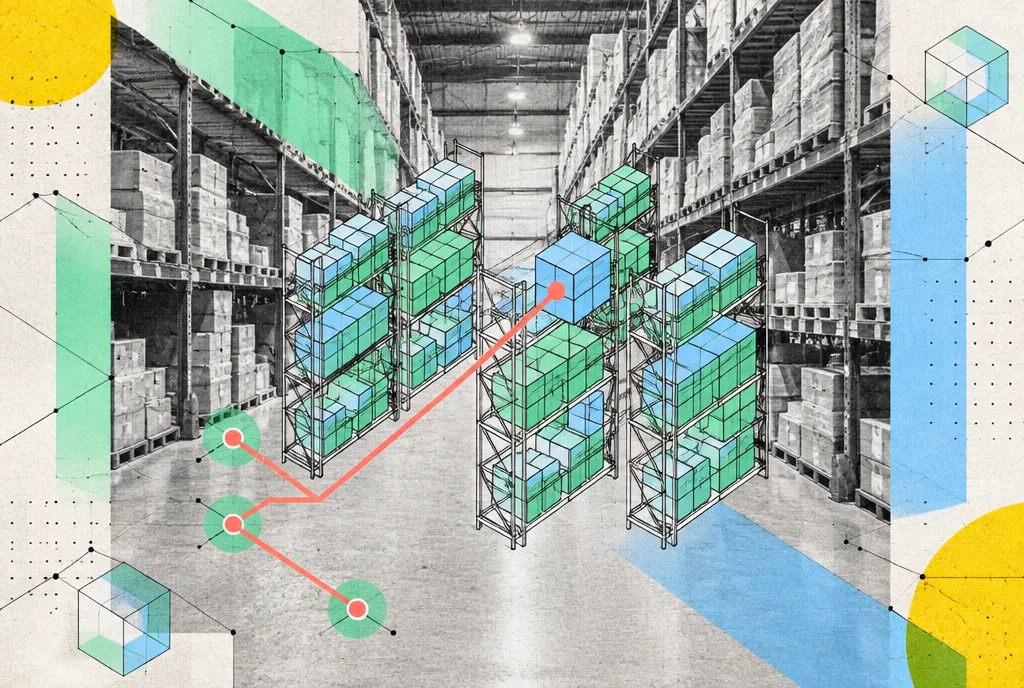
Machine-learning forecasts earn their keep on fast-moving, well-recorded products. New launches, festive peaks, stock-outs and poor store data still expose their limits.
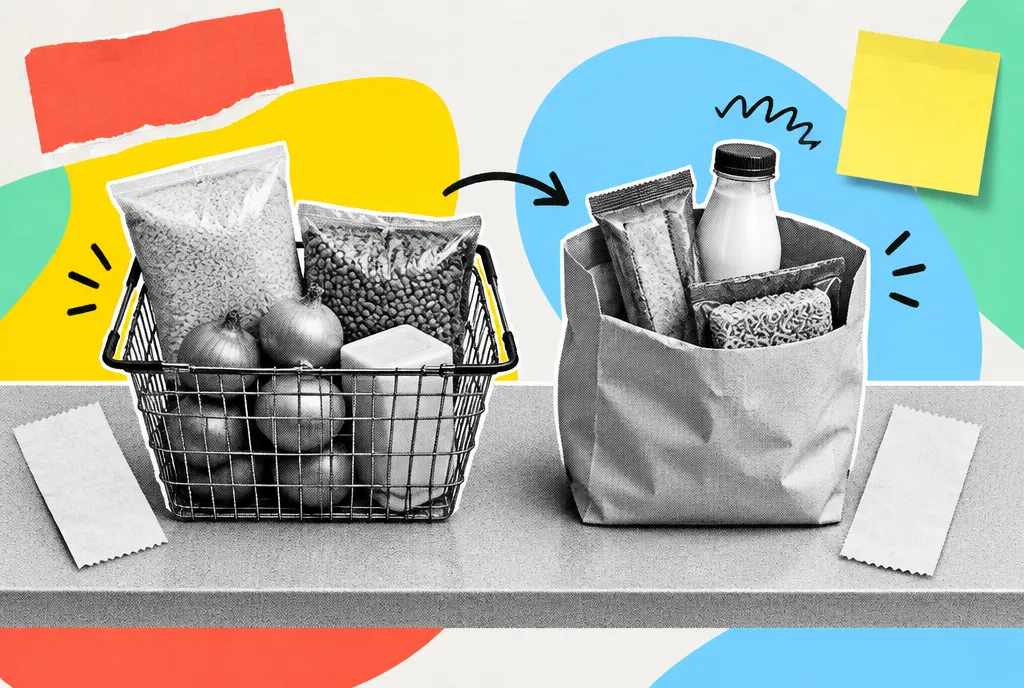
Shoppers do not choose convenience or value once and for all. They trade price, speed, assortment and effort by occasion, and retailers win specific missions.

Anchors, food, entertainment and occupancy cost decide whether a mall earns visits or merely hosts them. This explainer sets out the trade-offs landlords and tenants are weighing.
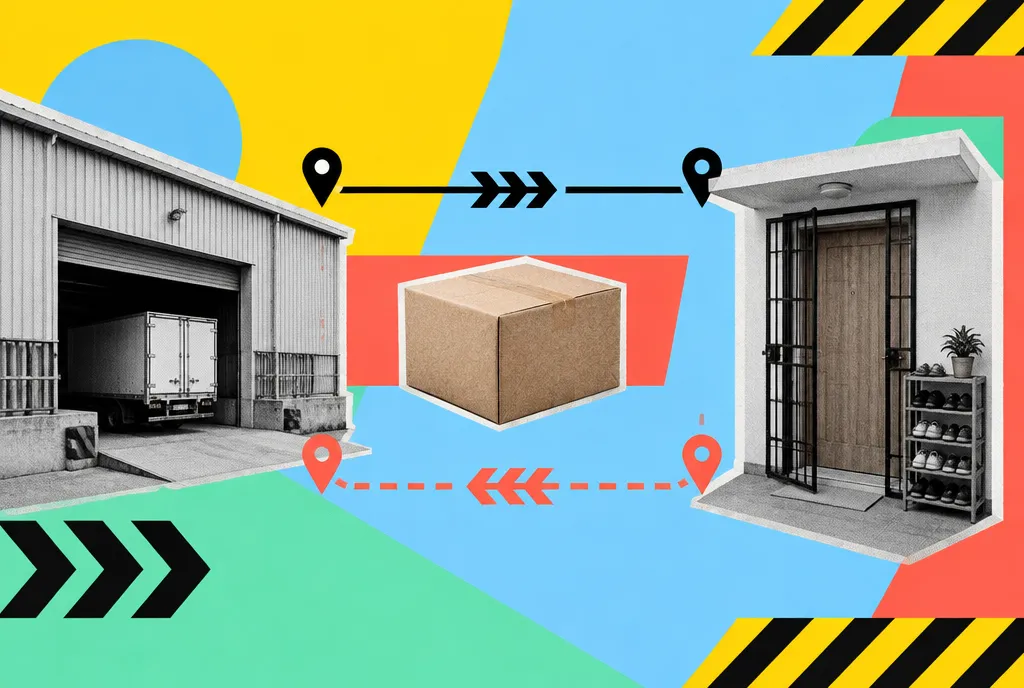
Returns flow backwards through collection, inspection, restocking and disposal. This explainer sets out how that second supply chain works and where its costs build up.
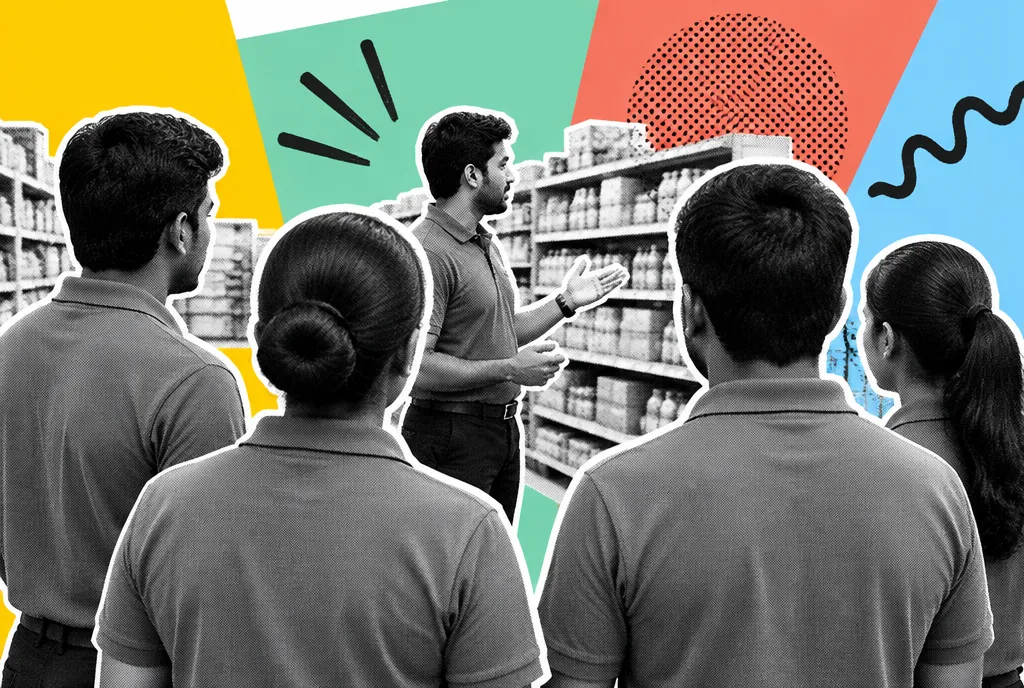
Store managers now run teams, data and customer experience at once. This analysis sets out the capabilities the role demands and how retailers build them.

A closure is a chain of decisions about leases, stock, staff and neighbours. Understanding that chain explains when stores close and what a closure really signals.
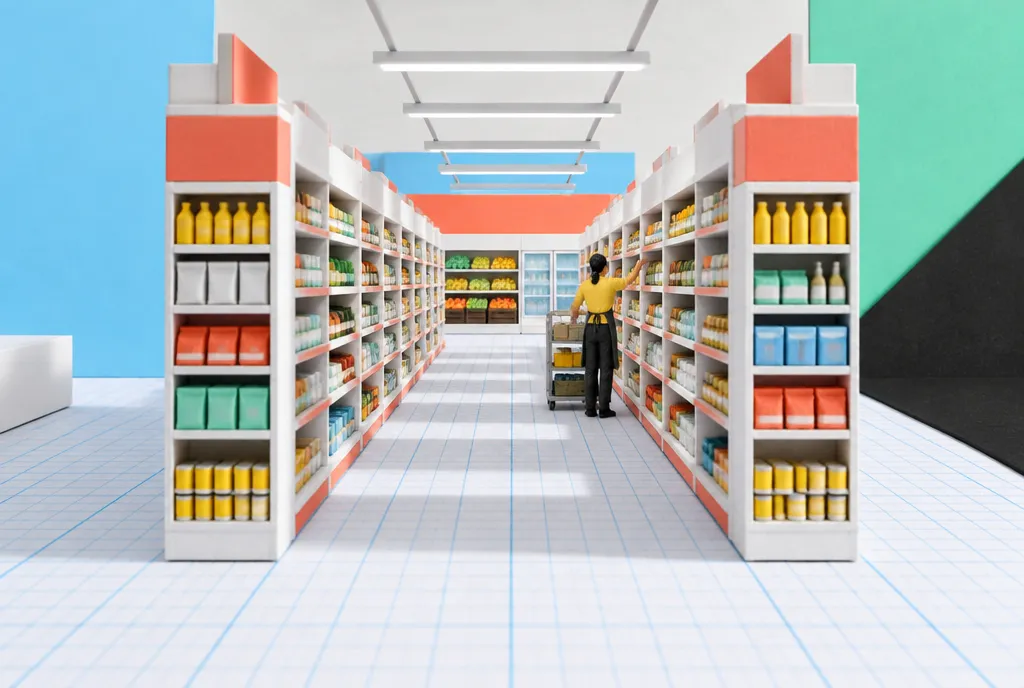
Sales per square foot, stock turns and staff productivity reveal whether a bigger network is a healthier one. What each measure shows and what to watch.
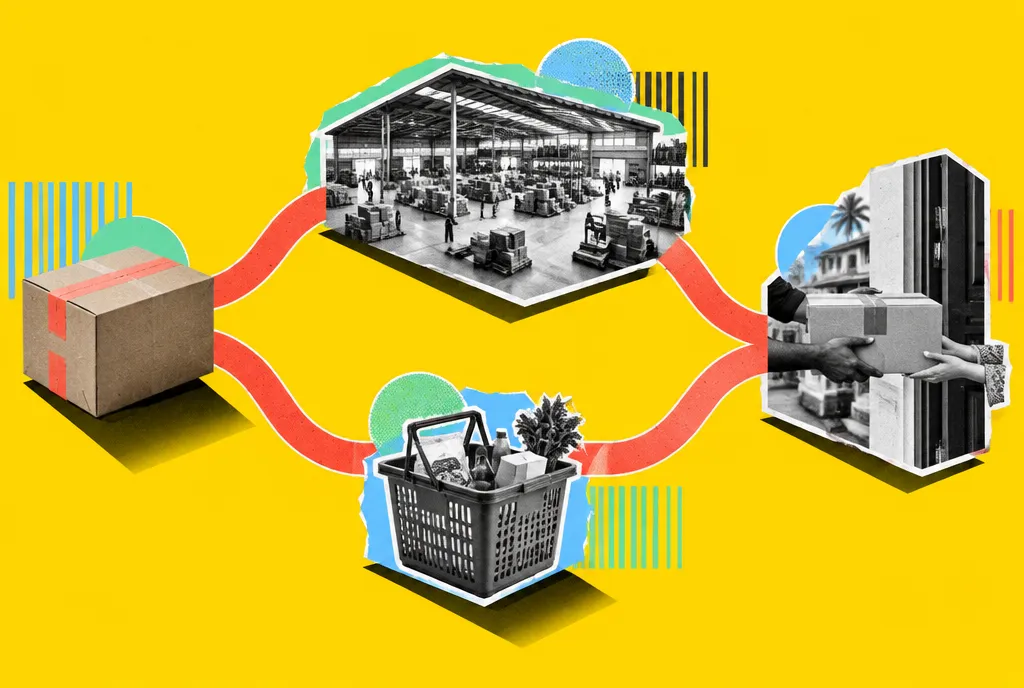
Marketplaces rent reach; owned websites build relationships and data. Comparing the two means measuring contribution margin across a customer's lifetime, not one order.

Markdowns are built into fashion retail. How early, how deep and on which lines they fall decides whether a season earns its planned margin.
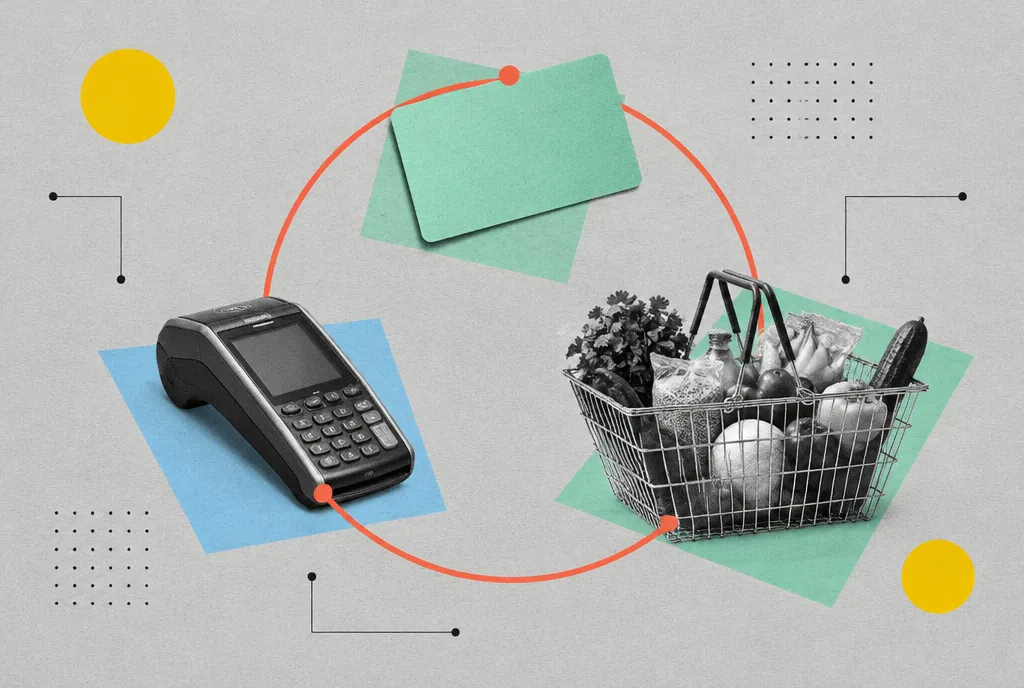
Response rates make most CRM programmes look good. Incremental margin, measured against a holdout group, is the number that shows whether the spending pays back.

A large membership base says little about behaviour. Active members, retention, redemption patterns and incremental spending show whether a programme changes how customers shop.
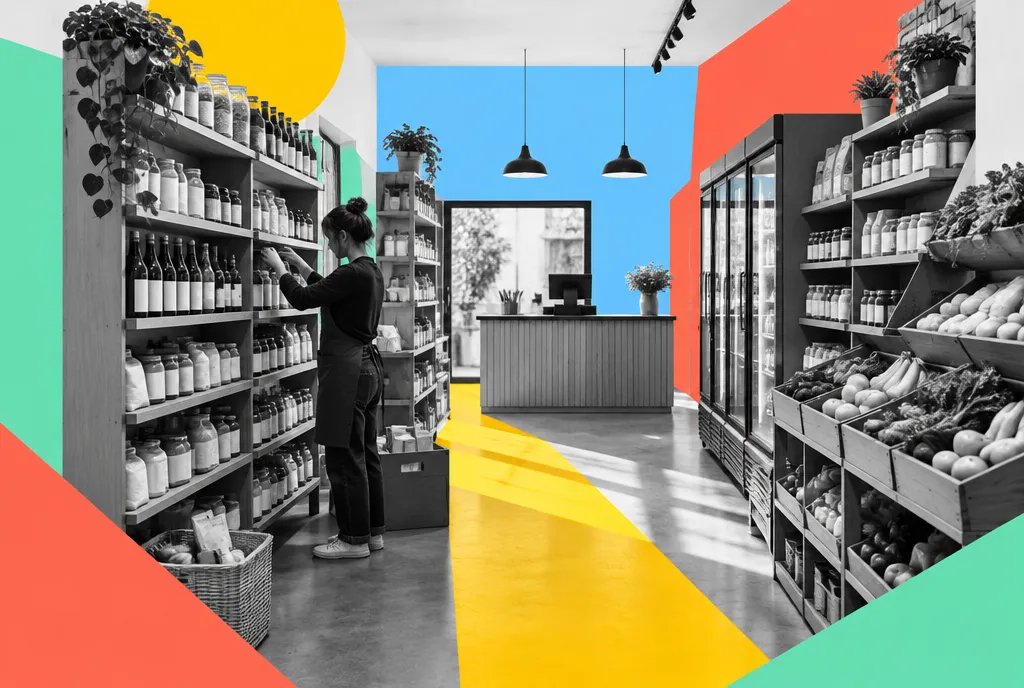
Compact grocery stores live or die on space productivity, stock turns and labour scheduling. This explainer shows how the unit economics work and where they break.
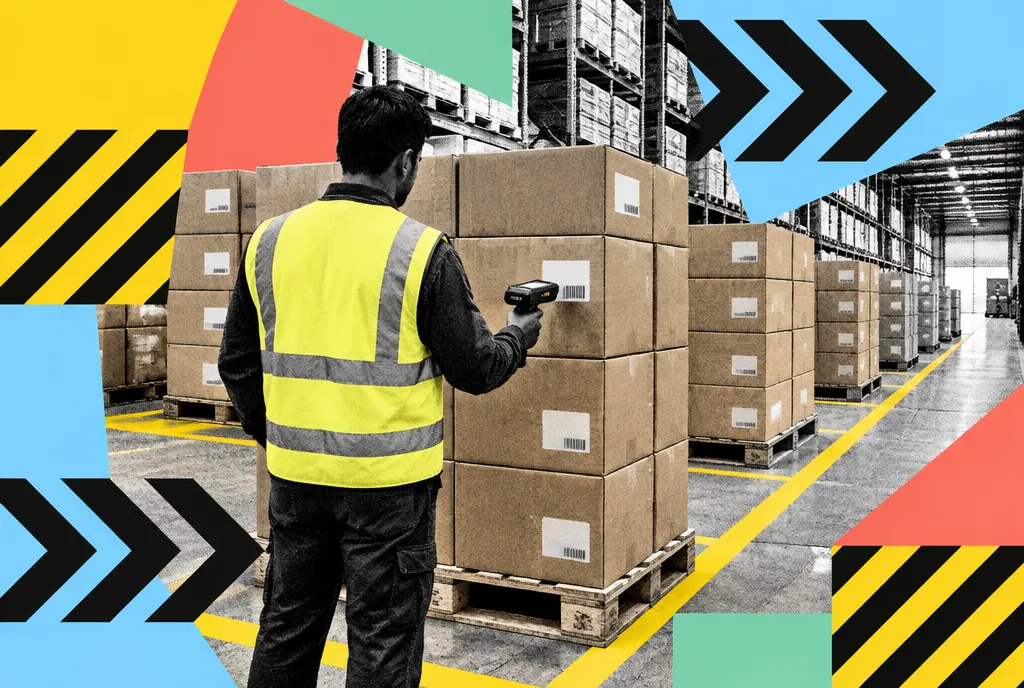
Festive peaks, launches and weather swings test every forecast. This analysis explains how retailers plan for spikes and what an error in either direction costs.

Succession in family retail is a governance question as much as a personal one. This analysis explains the choices families face and the structures that tend to hold.
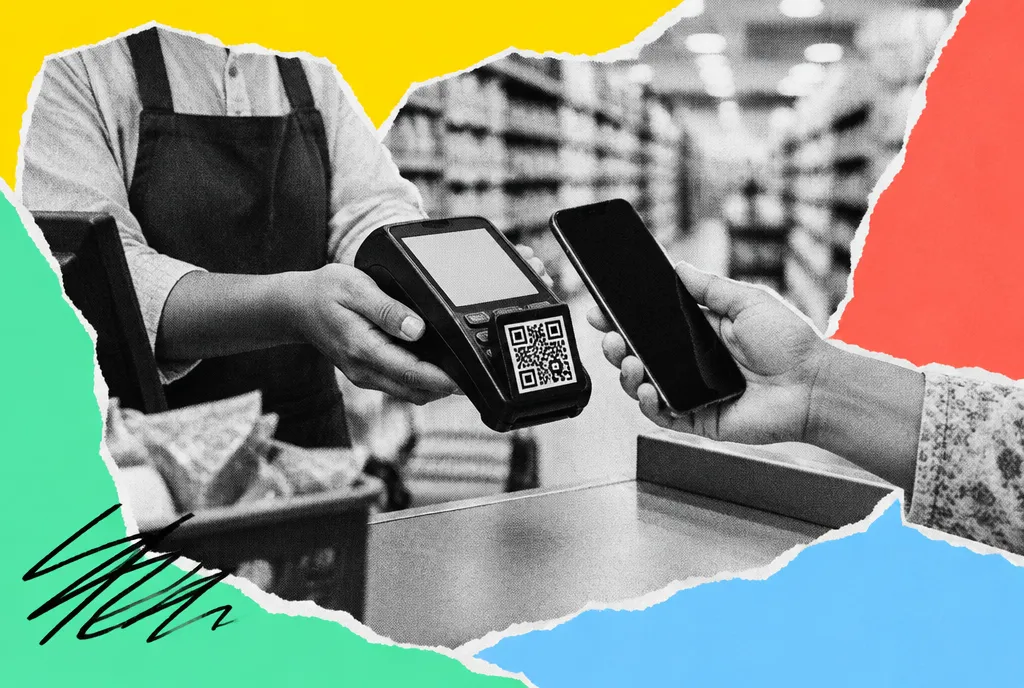
Payment rules are written for banks and networks, but retailers absorb them at the till. How a new requirement travels, and what operators should measure.

Omnichannel only pays when inventory is accurate, incentives credit stores and fulfilment routes are chosen deliberately. Where the economics hold and where they break.
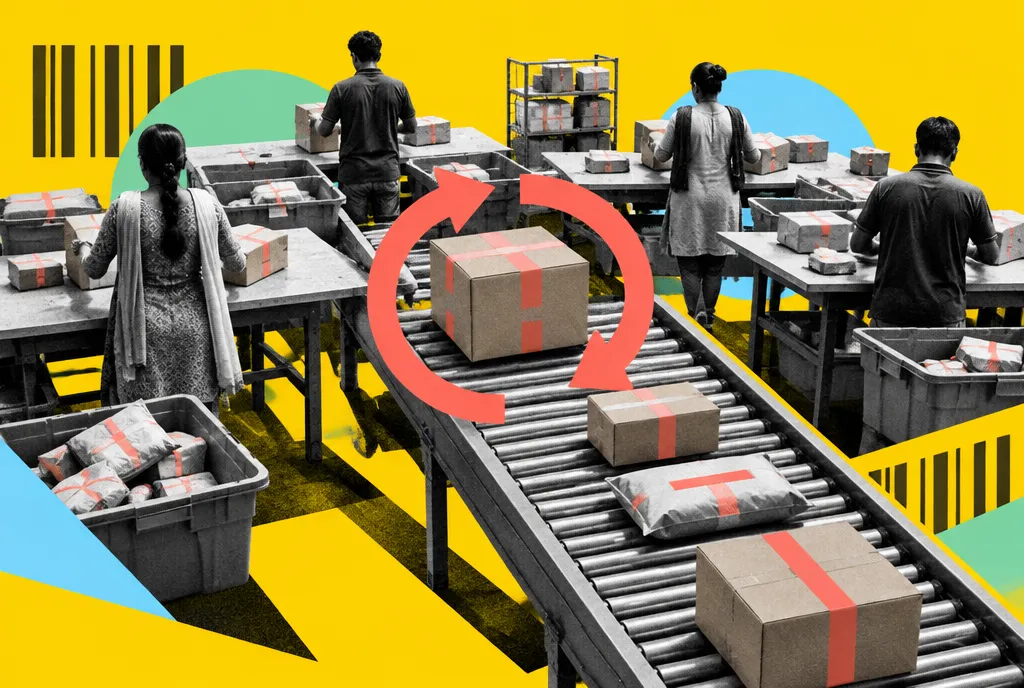
A return starts a second supply chain of pickup, grading, refurbishment, resale and disposal. Where the costs fall and how sellers recover more value.

An online following proves demand. Physical retail tests something else: trade margins, distributor commitment, manufacturing scale, shelf life and the rate of sale per store.
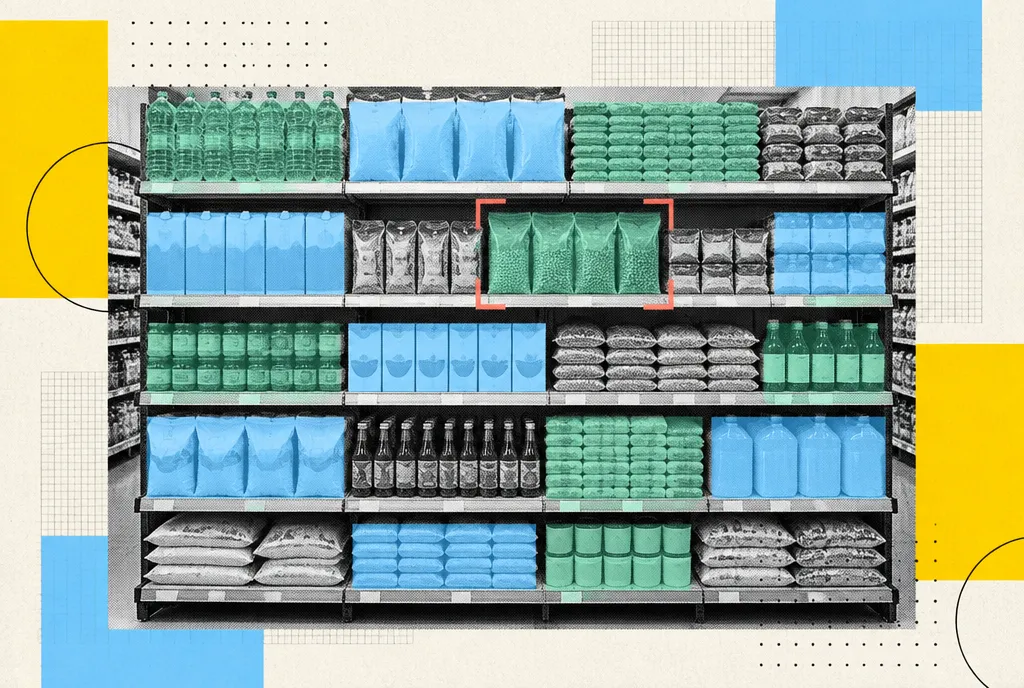
Shelf analytics tools track availability, visibility and price online and in stores. Their value depends on accuracy, coverage and whether anyone owns the fix.

A first purchase is a risk for the shopper. Product information, packaging, price, recommendations and the retailer's own credibility all help reduce it.

Visibility, signage, entrance design and windows shape whether passers-by become visitors. This piece explains the mechanics and why conversion claims deserve scrutiny.
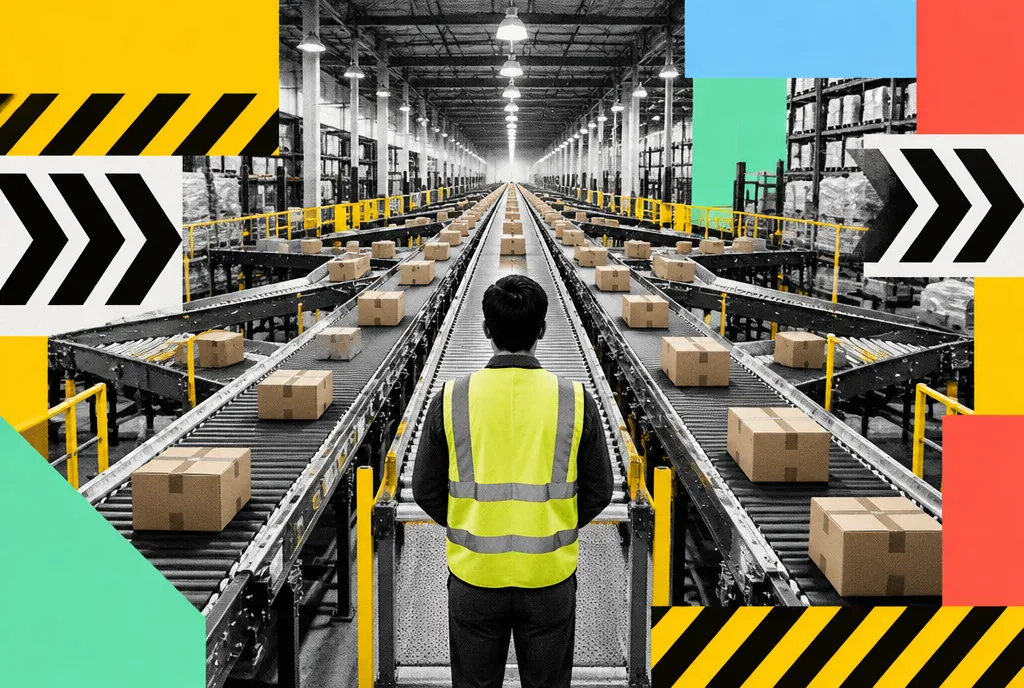
Conveyors, sorters and goods-to-person systems promise speed and accuracy. This analysis sets out the payback logic, the scale thresholds and the risks operators weigh.
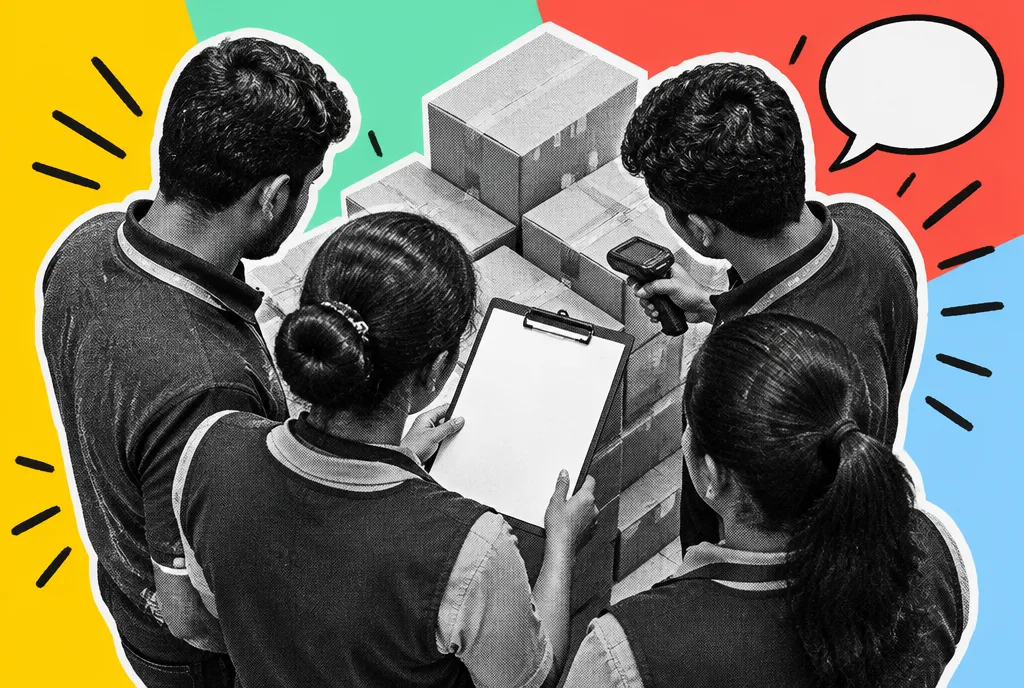
Cashiers, store managers and warehouse teams see problems first. This analysis explains how that knowledge reaches leadership, where it gets lost and what makes it count.
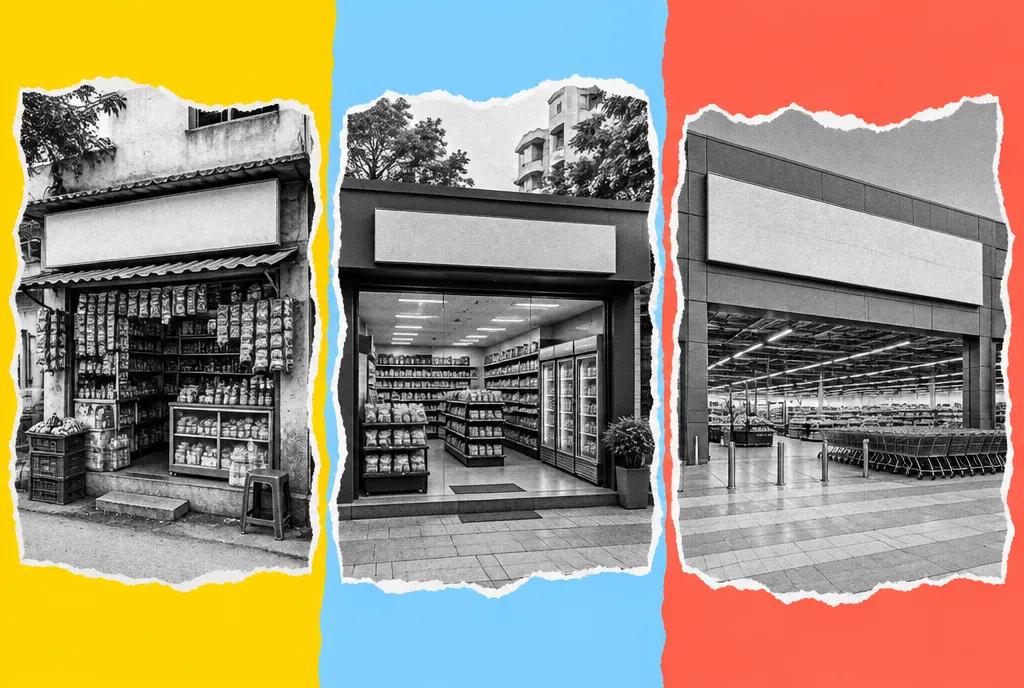
Express, neighbourhood, hybrid and destination stores each answer a different economic question. How to judge a format trial by capital returns, not launch noise.

Every discount gives away margin on sales that would have happened anyway. How to spot discount dependence, and what retailers use to build demand instead.
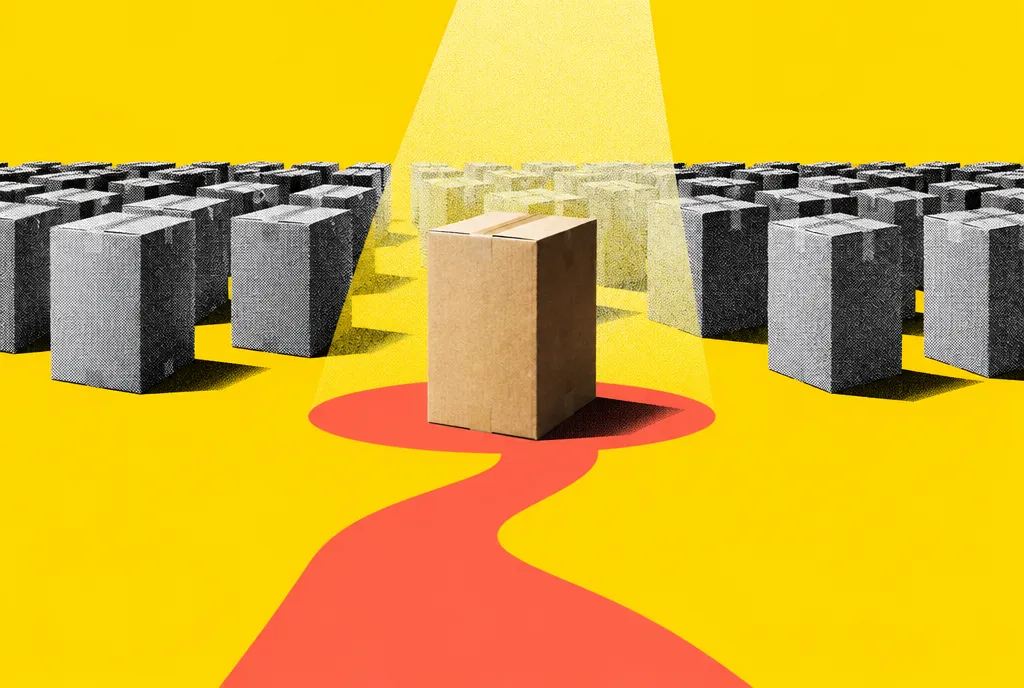
Sponsored listings, sale events and keyword auctions have made visibility a recurring cost of distribution. How to measure whether that spending actually earns profit.

One shoe design becomes dozens of stock units once colours and sizes multiply. Broken size runs, bulky stockrooms and seasonal styles turn that arithmetic into dead stock.
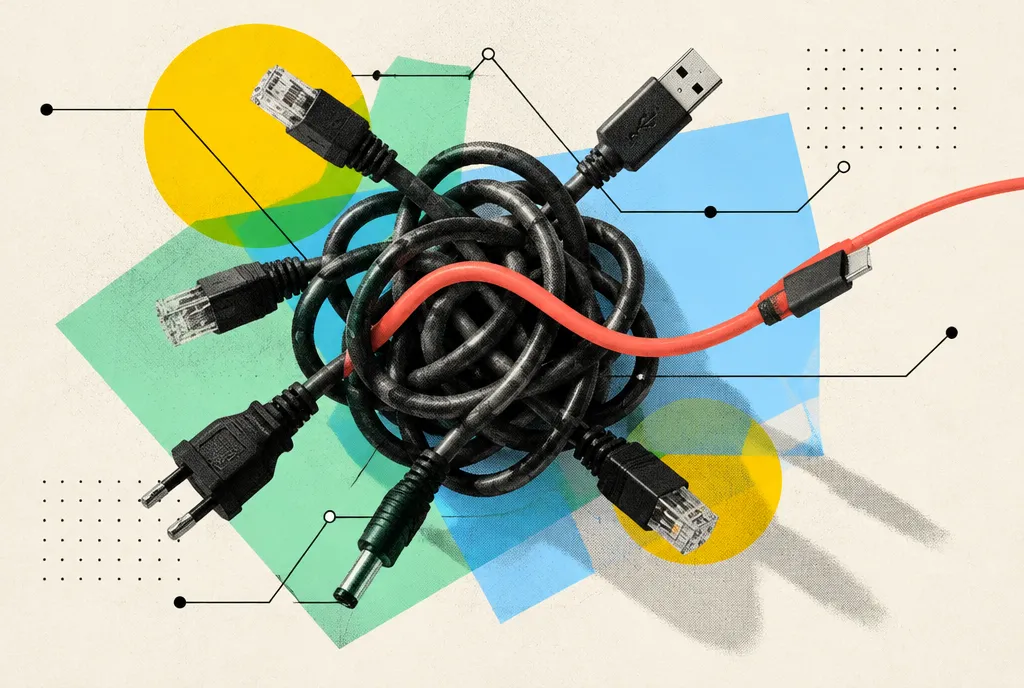
Retail systems are bought one at a time, but dependency builds across all of them. The cheapest moment to manage switching costs is before the contract is signed.

How often households buy each category reveals budgets, habits and confidence. Reading frequency shifts correctly depends on category rhythms and on what each data source measures.
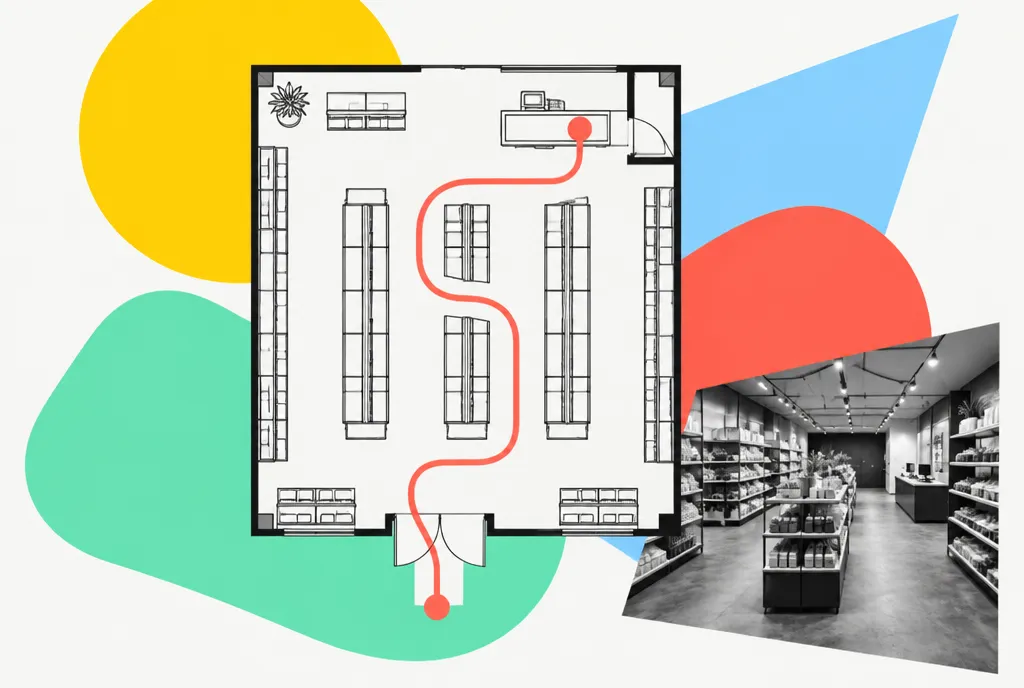
Layout investments promise better conversion, longer dwell and more efficient operations. This analysis explains how to judge them and what evidence a sound case needs.

Box size, materials and protection shape freight charges, breakage and handling. This explainer shows how packaging choices flow through to the delivered cost of an order.

A new chief executive or senior appointment can mean continuity or a reset. This analysis explains how to read a leadership transition and which signals to track.