Packaging is often treated as a consumable, bought on price and forgotten. For any retailer shipping orders, it is a cost driver that reaches well beyond the box itself. Packaging decisions on size, material and protection affect freight charges, damage rates, warehouse speed and customer perception, all at once.
Dimensional weight changes the maths
Couriers and logistics partners commonly charge on the greater of actual weight and volumetric weight, which is calculated from the package's dimensions. A light product in an oversized box can be billed as if it were much heavier. For retailers shipping large volumes of light items, such as apparel, cosmetics or accessories, box size can matter more than product weight.
That creates a strong case for right-sizing: using a range of box sizes, or equipment that cuts boxes to fit, so that each order ships with as little empty space as possible. The trade-off is complexity. More box sizes mean more stock to manage and more decisions for packers, which can slow the line.
The cost of breakage
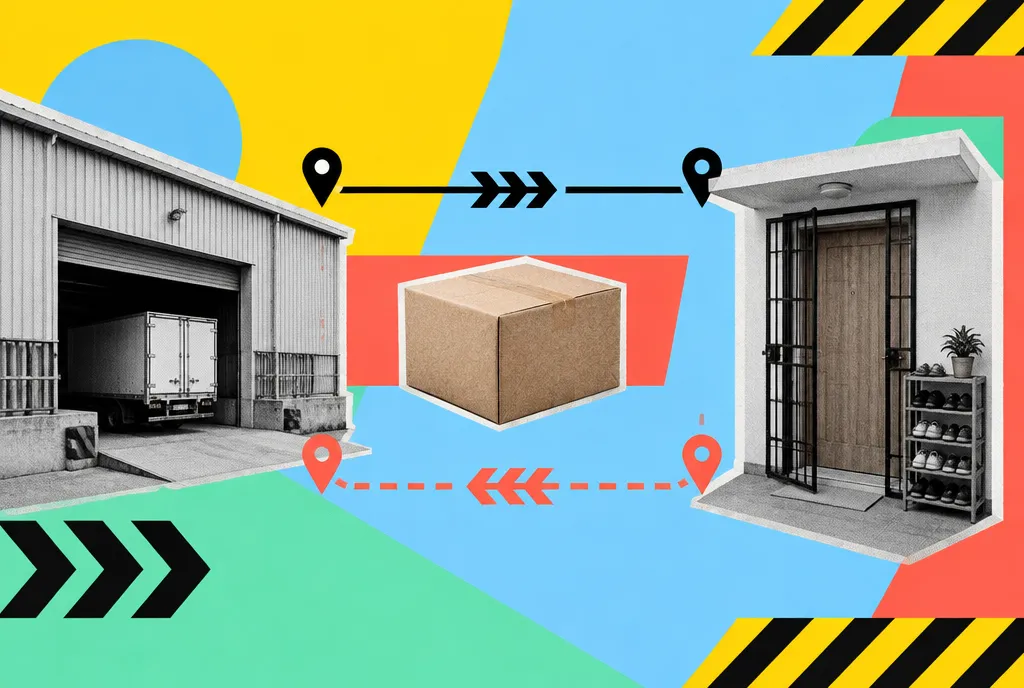
Under-packing saves on materials and freight, but damage is expensive. A broken item means a replacement shipment, a reverse pickup, write-off of the damaged product and a dissatisfied customer. Fragile categories, such as glassware, electronics and some food products, need protection matched to how parcels are actually handled, which in multi-stage delivery networks can be rough.
The right level of protection is found through testing, not assumption. Drop tests and damage tracking by product and route show where protection is inadequate and where it is excessive.
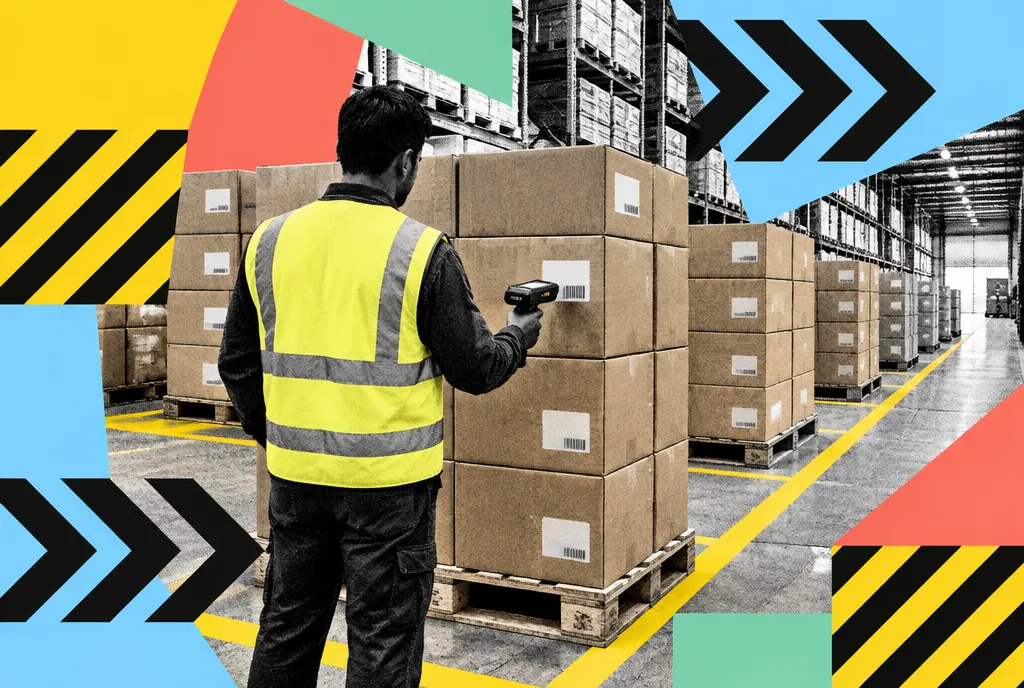
Packaging also affects warehouse productivity. Boxes that are quick to assemble, seal and label reduce labour time per order. Standardised formats work better with automated equipment. Packaging that requires several separate materials slows packers down, especially during peaks.
The sustainability trade-off in packaging decisions
Pressure to reduce plastic and use recycled or recyclable materials is growing, from regulation on plastic waste and from customer expectations. Paper-based fillers and recycled cartons can cost more, perform differently under moisture or perform less well in protection. Lighter, smaller packaging can reduce both material use and freight cost, so the sustainability and cost goals sometimes align. Where they do not, retailers have to decide how much cost or risk they will accept.
A complete packaging review counts five cost lines:
- Material cost per order.
- Freight cost driven by billed weight.
- Damage cost including replacement and reverse logistics.
- Labour cost per packed order.
- Environmental compliance and disposal obligations.
Together they make up the true packaging cost, and optimising one in isolation often raises another. The retailers to watch are those that measure packaging as a delivered cost per order, tracked by category and route, rather than as a purchasing line on its own.
Questions this story answers
What is volumetric weight in shipping?
Couriers commonly charge on the greater of actual weight and volumetric weight, which is calculated from package dimensions. A light product in an oversized box can be billed as if much heavier, so for light items like apparel or cosmetics, box size can matter more than product weight.
How can retailers reduce product damage in shipping?
Match protection to how parcels are actually handled, which in multi-stage delivery networks can be rough. Use drop tests and damage tracking by product and route to find where protection is inadequate and where it is excessive, rather than relying on assumption.
What makes up the true cost of packaging?
Five cost lines: material cost per order, freight driven by billed weight, damage cost including replacement and reverse logistics, labour cost per packed order, and environmental compliance and disposal obligations. Optimising one in isolation often raises another.