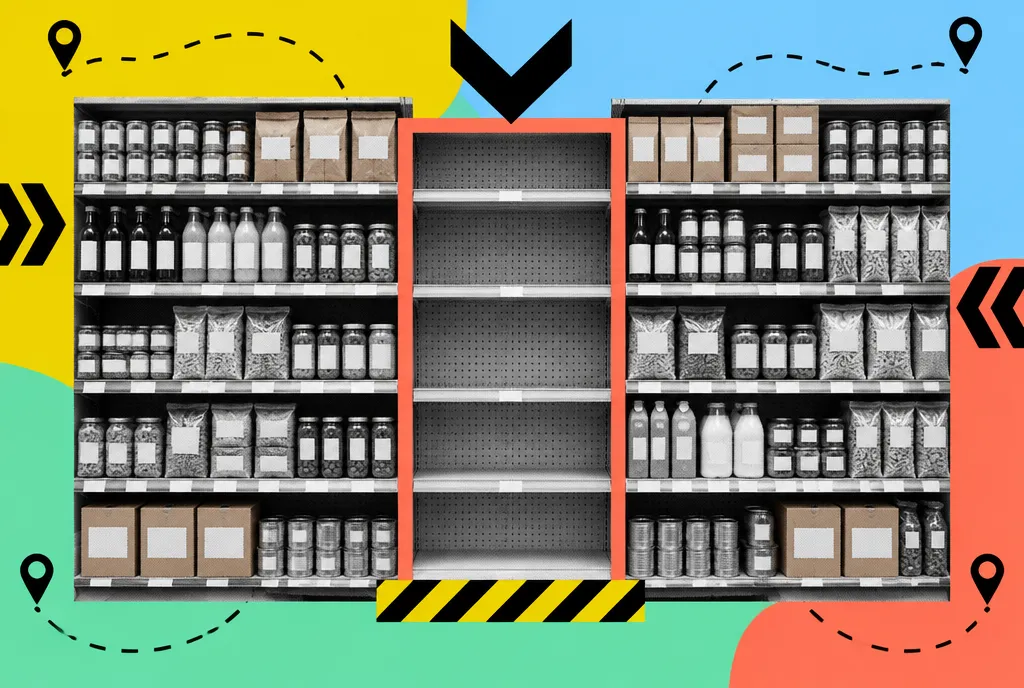
Indian retail runs on peaks. The festive season, weddings, back-to-school, summer and monsoon each move demand sharply in particular categories. A retailer that plans well for these demand spikes captures them. One that plans badly either runs out at the worst moment or sits on stock long after demand has passed.
The asymmetry of errors
Forecasting errors cost money in both directions, but not equally. Understocking during a peak loses sales and can send shoppers to competitors for the whole season. Overstocking ties up working capital and warehouse space, and leads to markdowns, write-offs or expiry. Which error is worse depends on the category.
For high-margin, short-season goods such as festive apparel or gifting, the cost of a missed sale is high but so is the cost of leftover stock that cannot be sold at full price next year. For staples with long shelf lives, overstocking is less painful because the stock will eventually sell. For perishables, overstocking is simply waste.
How retailers plan for demand spikes
Most retailers combine several tools rather than relying on a single forecast:
- Historical demand from previous peaks, adjusted for store openings, price changes and shifts in the calendar.
- Staged procurement, committing to a base quantity early and holding back a share of the budget for replenishment once early sales show the real trend.
- Supplier agreements that allow repeat orders, shorter lead times or returns of unsold stock, usually at a price.
- Allocation discipline, sending initial stock to stores in proportion to expected demand and holding the remainder centrally for redistribution.
- Exit plans for leftover stock, decided before the season starts rather than after it ends.
Lead time is the binding constraint. Goods sourced from distant manufacturers or imported must be committed months ahead, when demand signals are weakest. Retailers with local or nearshore suppliers can afford to react more.
What evidence would show
Judging how well a retailer handles peaks needs data on forecast accuracy by category, availability during the peak, sell-through by the end of the season, the share of stock cleared at markdown and the inventory held afterwards. The pattern across several seasons is more telling than any single year, because one good result may reflect luck as much as planning.
Forecasting tools, including machine learning models, can improve baseline accuracy. They struggle where history is thin: new products, new stores, unusual weather or a shift in the festive calendar. Human judgement and supplier flexibility still carry much of the load.
The decision that matters is how much flexibility a retailer is willing to pay for. Shorter lead times, smaller first orders and central reserves cost more per unit, but they reduce the size of the error. Watch which retailers build that flexibility into supplier terms before the season, not during it.
Questions this story answers
How do retailers plan inventory for festive peaks?
They combine historical demand adjusted for openings and price changes, staged procurement that holds budget back, supplier agreements allowing repeat orders or returns, allocation that keeps stock centrally for redistribution, and exit plans for leftover stock decided before the season.
Is understocking or overstocking worse for retailers?
It depends on the category. Short-season, high-margin goods like festive apparel suffer from both missed sales and unsellable leftovers. Long shelf-life staples tolerate overstock because the stock eventually sells, while for perishables overstocking is simply waste.
Can machine learning forecasting prevent stock problems in peaks?
It can improve baseline accuracy but struggles where history is thin, such as new products, new stores, unusual weather or a shift in the festive calendar. Human judgement and supplier flexibility still carry much of the load.