Warehouse automation is often presented as an inevitability. In practice it is a capital allocation decision, and a demanding one. The equipment is expensive, the integration is complex and the payback depends on volumes that must hold up for years. For many Indian retail operations, manual and semi-automated processes remain the rational choice. For some, they are already a constraint.
What warehouse automation actually replaces
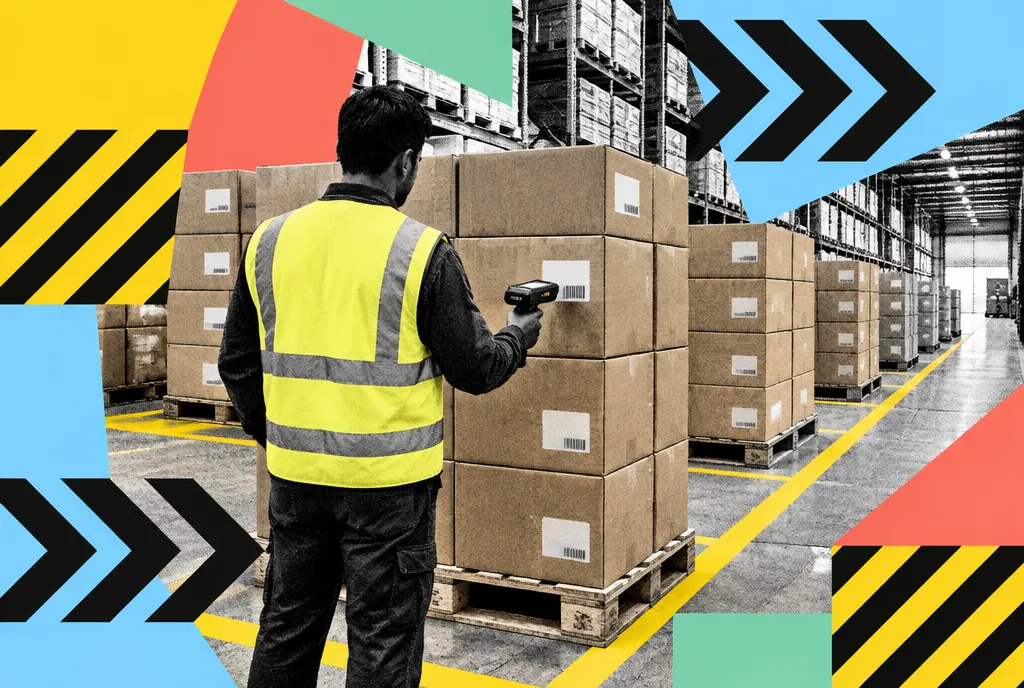
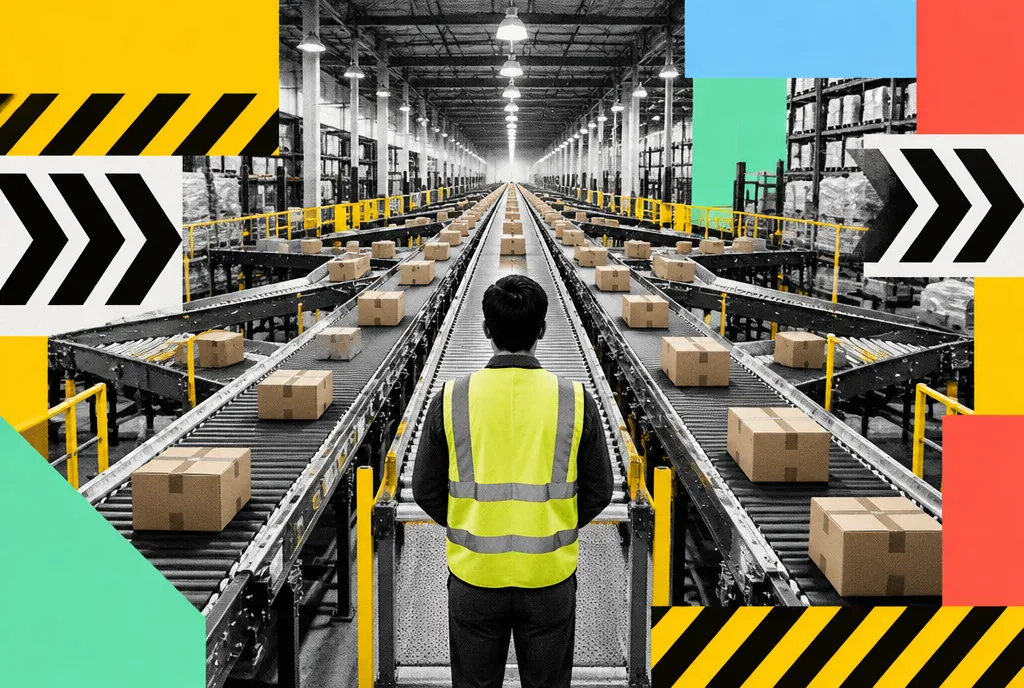
Automation covers a wide range, from simple conveyors and barcode scanning to sortation systems, automated storage and retrieval, and goods-to-person picking where shelves or totes come to the worker. Each targets a different bottleneck:
- Labour productivity, by reducing walking time and manual handling.
- Accuracy, by reducing picking and sorting errors that lead to returns and complaints.
- Throughput, by processing more orders per hour within a fixed building.
- Space, by storing goods more densely, which matters where land near cities is expensive.
The first question is which of these is the real constraint. Automating a process that is not the bottleneck adds cost without adding capacity.
The payback logic
The investment case sets capital cost, integration, software, maintenance and specialist staff against savings in labour, errors and space, plus any revenue from faster or more reliable fulfilment. Several factors decide whether it works:
Volume and consistency. Automation pays when it runs at high utilisation. Operations with sharp seasonal peaks may find equipment idle much of the year, or undersized for the peak it was meant to serve.
Order profile. Many small, multi-item online orders suit automation better than full-case store replenishment, which is already relatively efficient by hand.
Labour cost and availability. Where labour is relatively affordable, the savings case is weaker. Where hiring and retaining warehouse staff for peaks is difficult, reliability becomes the stronger argument.
Flexibility. Fixed systems are built for today's product mix and order profile. A shift in channel mix, packaging or product size can leave expensive equipment poorly matched to the work.
What evidence would settle it
A credible comparison would look at cost per order before and after automation, throughput per square foot, accuracy rates, downtime and maintenance cost, and how the system performed during peak periods. It would also count the transition: commissioning, training and the productivity dip while teams adjust.
Modular options, such as mobile robots and scalable sortation, have lowered the threshold for some operators by allowing phased investment. They still require clean data, disciplined processes and reliable power and connectivity.
The decision to watch is sequencing. Operators that first standardise processes, clean their inventory data and measure their true bottleneck tend to automate well. Those that automate to fix process problems usually discover the problems were never mechanical.
Questions this story answers
When does warehouse automation pay back?
When the equipment runs at high utilisation on consistent volumes, targets the real bottleneck and suits the order profile. Savings in labour, errors and space must outweigh capital cost, integration, software, maintenance and specialist staff.
Is warehouse automation worth it where labour is affordable?
Where labour is relatively affordable, the savings case is weaker. Where hiring and retaining warehouse staff for peaks is difficult, reliability becomes the stronger argument for automation, provided volumes keep the equipment well utilised.
How should operators prepare before automating a warehouse?
Standardise processes, clean inventory data and measure the true bottleneck first. Operators that automate to fix process problems usually discover the problems were never mechanical, and any transition brings commissioning, training and a productivity dip.