RETAIL NEWS · 27 OCT 2026
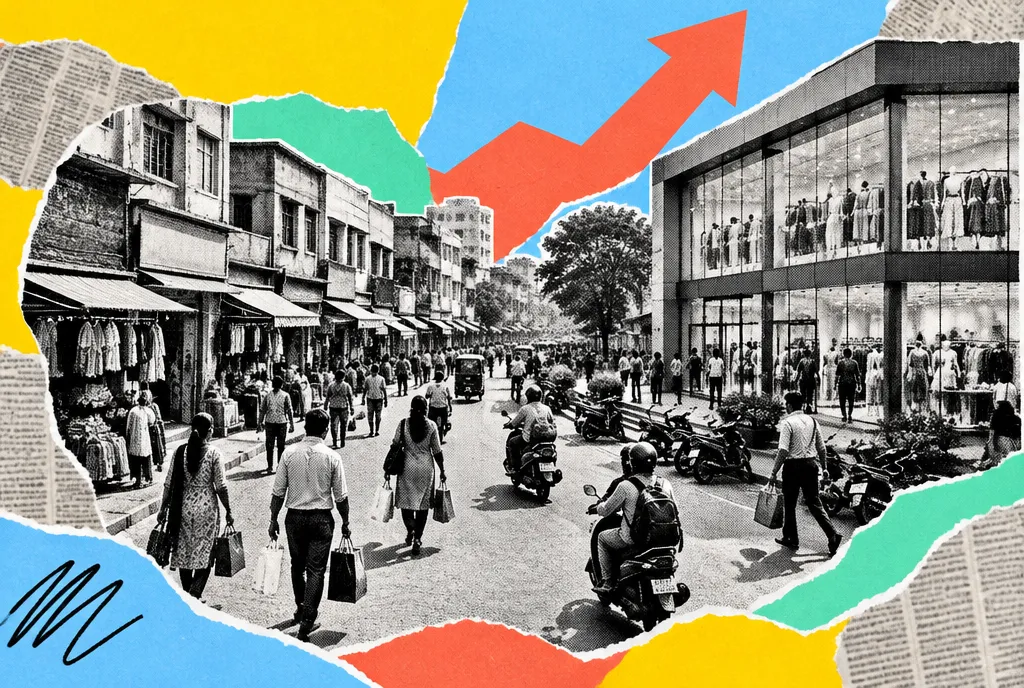
Beyond the Metros: Where Are India's Retail Chains Opening New Stores?
Rent, catchment, supply reach and payback time decide where chains open next. Here is how to read the expansion map beyond the announcements.
Rent, catchment, supply reach and payback time decide where chains open next. Here is how to read the expansion map beyond the announcements.
Commissions, volumetric shipping, payment charges, advertising and returns all come out before settlement. How to build an honest contribution margin for each online order.
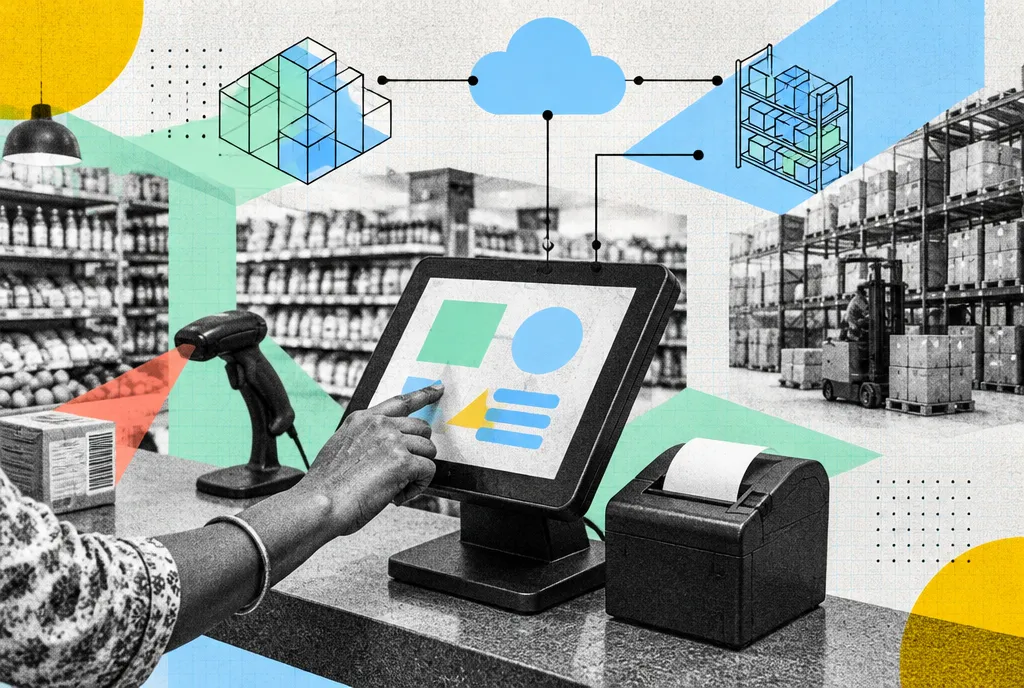
A new point-of-sale system touches pricing, inventory, payments, tax and every cashier. Retailers that treat the upgrade as operational change tend to recover the cost.
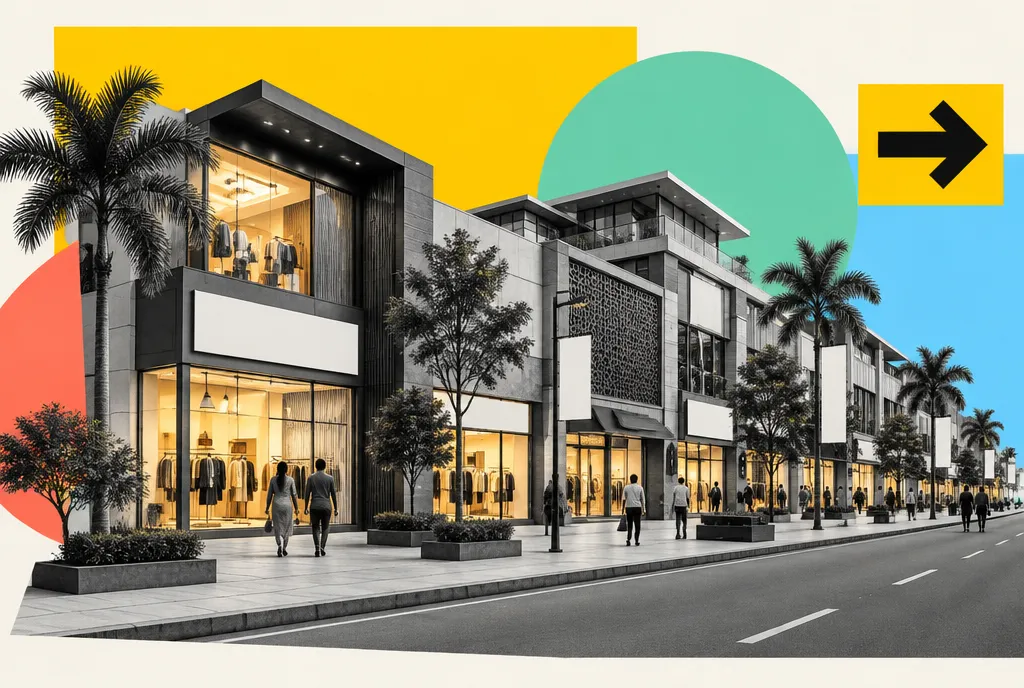
A working high street is a system of footfall, tenant mix and access. Here is how those parts interact, and which signals separate durable streets from fragile ones.

The category head decides what goes on the shelf, at what price and from whom. Here are the decisions that fill the role and how they are judged.
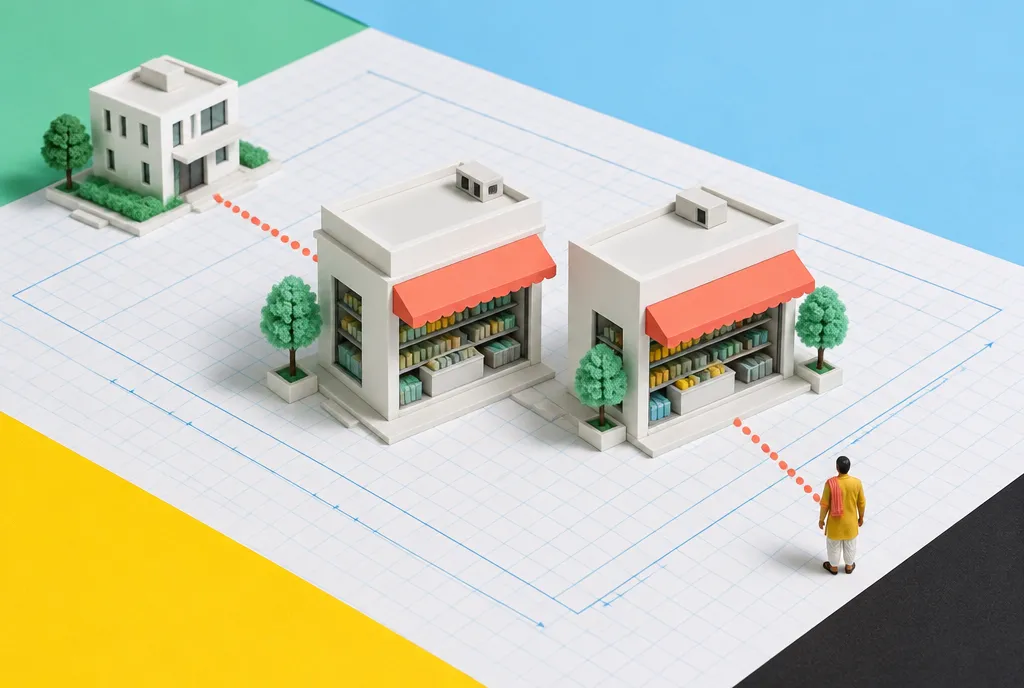
Franchising trades margin and control for capital-light speed. The real question is which stores belong in which model, and how incentives are aligned.
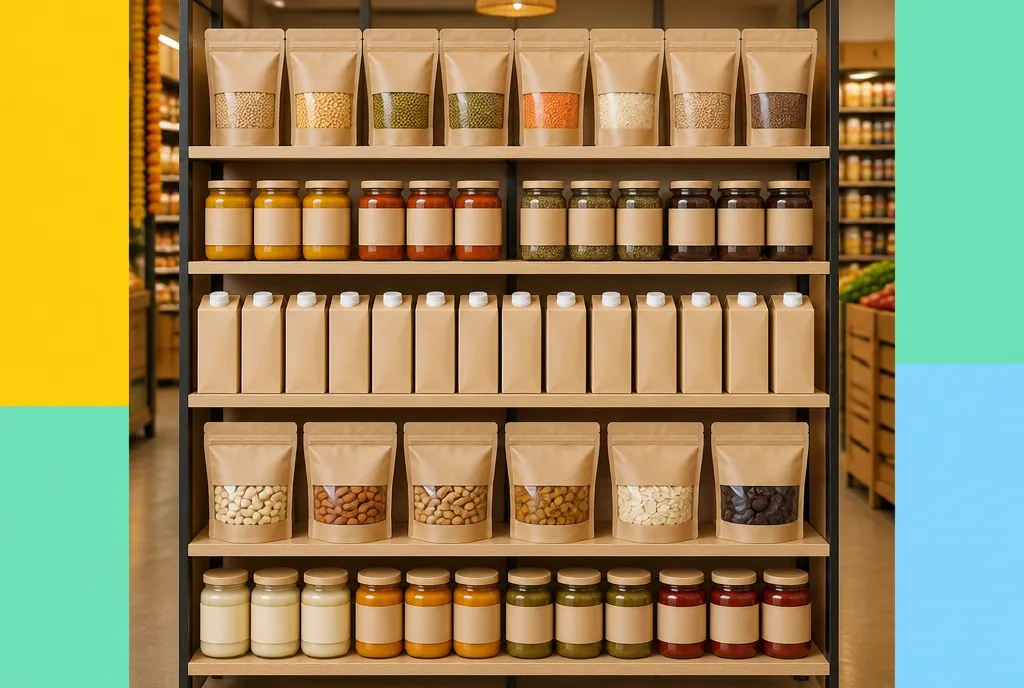
Own-brand staples promise better margins and stronger hands with suppliers. They also shift sourcing, quality and working-capital risk onto chains of modest size.
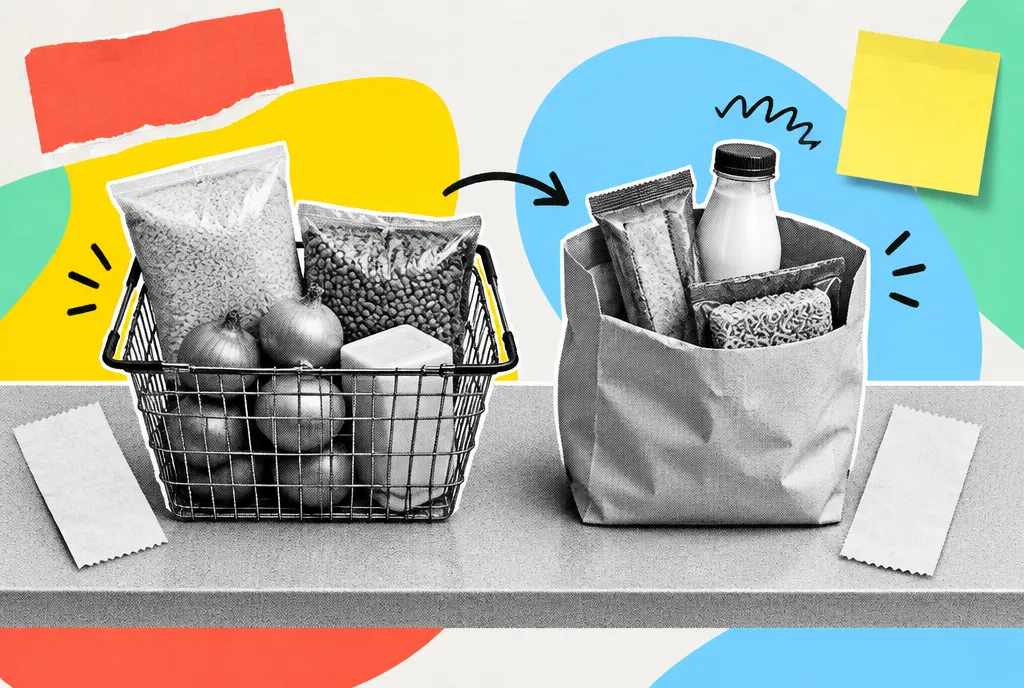
Shoppers do not choose convenience or value once and for all. They trade price, speed, assortment and effort by occasion, and retailers win specific missions.
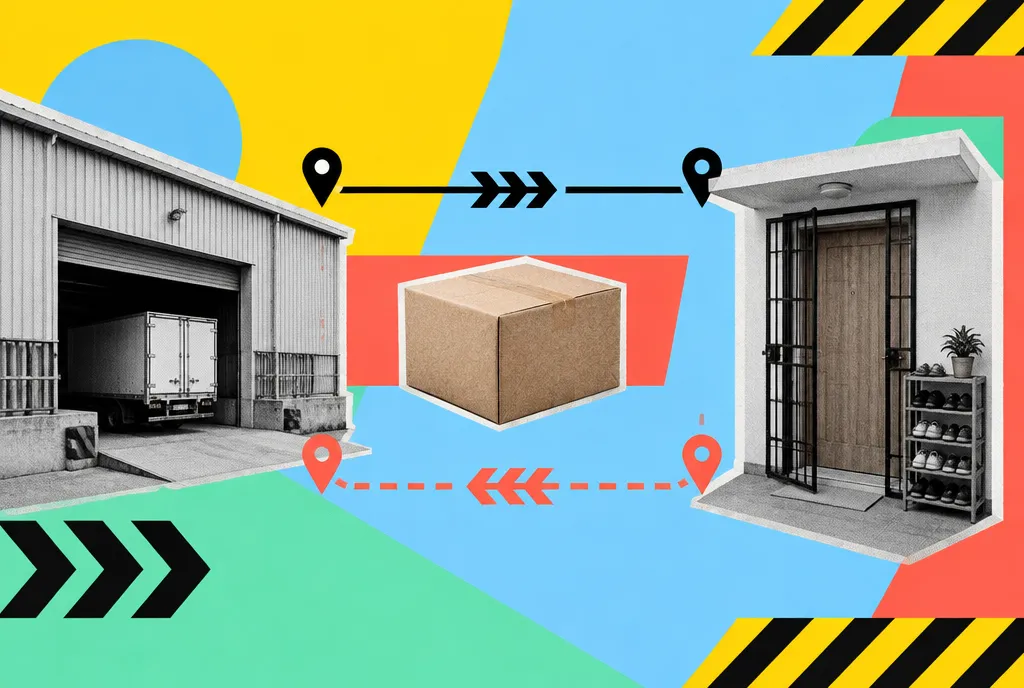
Returns flow backwards through collection, inspection, restocking and disposal. This explainer sets out how that second supply chain works and where its costs build up.
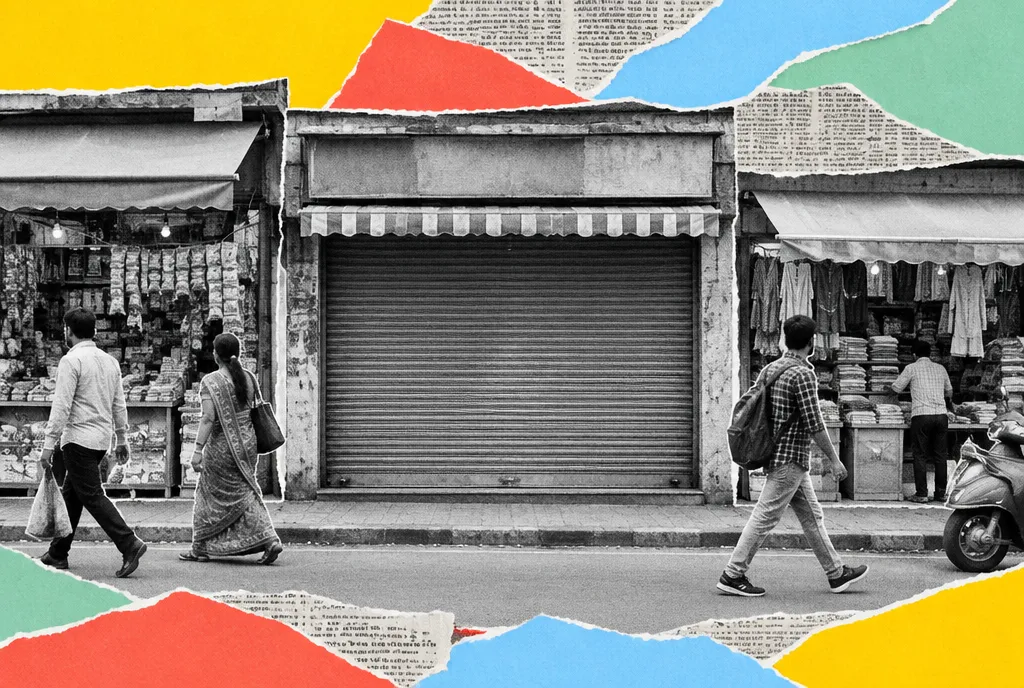
A closure is a chain of decisions about leases, stock, staff and neighbours. Understanding that chain explains when stores close and what a closure really signals.
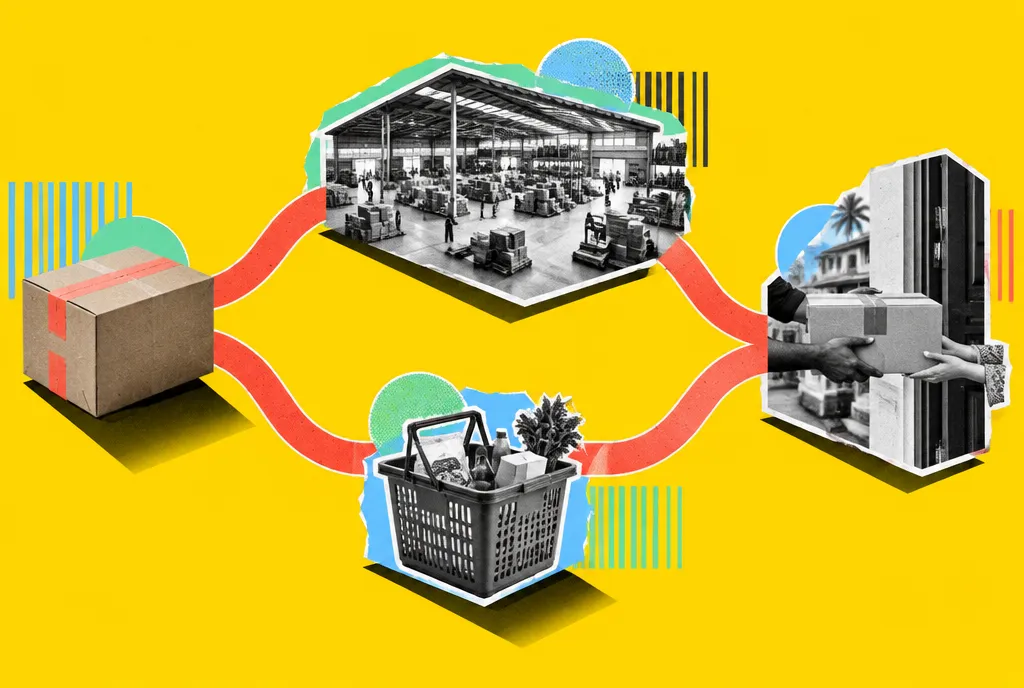
Marketplaces rent reach; owned websites build relationships and data. Comparing the two means measuring contribution margin across a customer's lifetime, not one order.
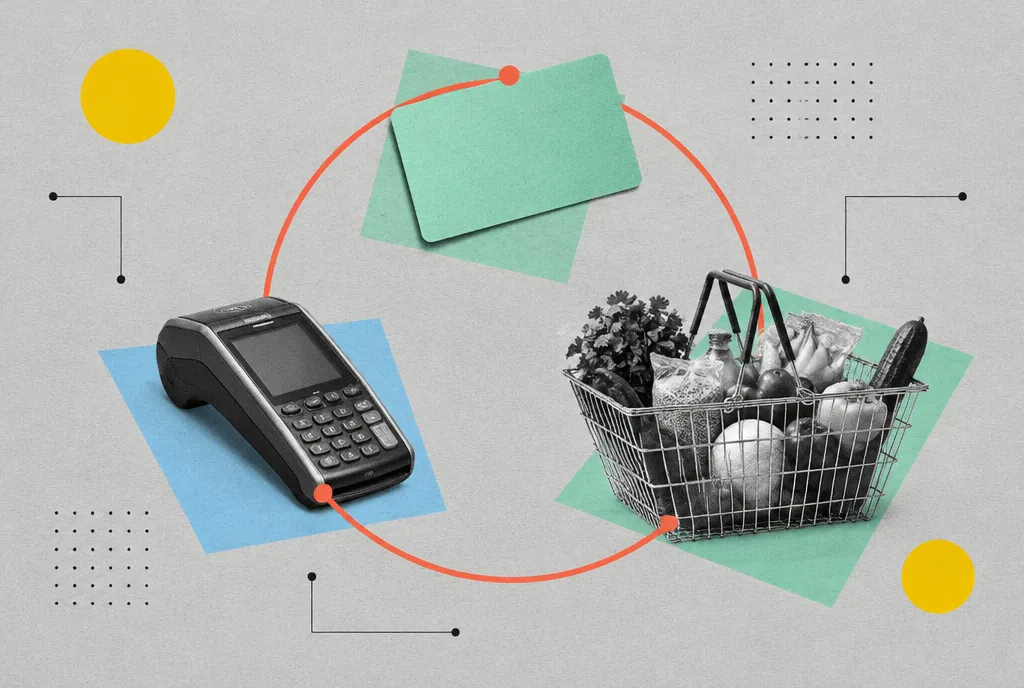
Response rates make most CRM programmes look good. Incremental margin, measured against a holdout group, is the number that shows whether the spending pays back.
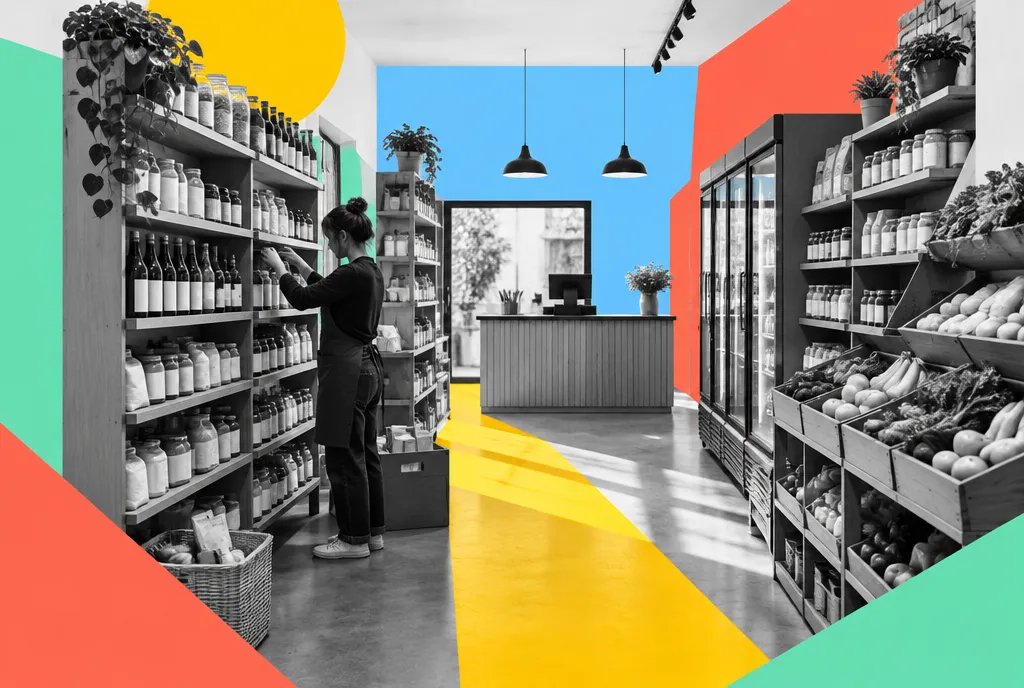
Compact grocery stores live or die on space productivity, stock turns and labour scheduling. This explainer shows how the unit economics work and where they break.
Succession in family retail is a governance question as much as a personal one. This analysis explains the choices families face and the structures that tend to hold.

Omnichannel only pays when inventory is accurate, incentives credit stores and fulfilment routes are chosen deliberately. Where the economics hold and where they break.

An online following proves demand. Physical retail tests something else: trade margins, distributor commitment, manufacturing scale, shelf life and the rate of sale per store.

A first purchase is a risk for the shopper. Product information, packaging, price, recommendations and the retailer's own credibility all help reduce it.
Conveyors, sorters and goods-to-person systems promise speed and accuracy. This analysis sets out the payback logic, the scale thresholds and the risks operators weigh.
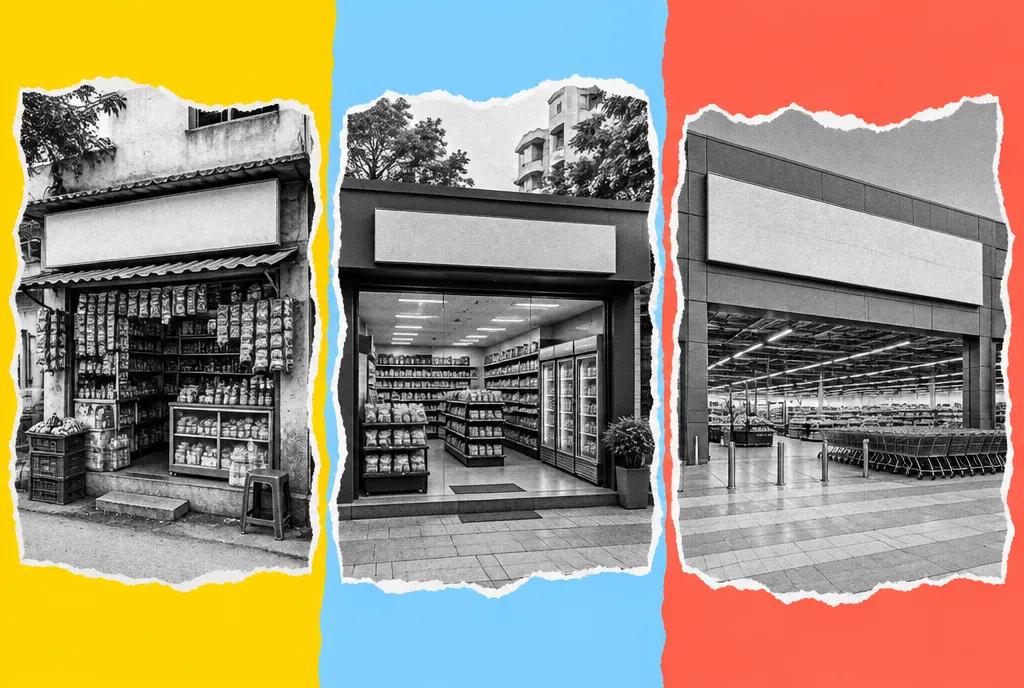
Express, neighbourhood, hybrid and destination stores each answer a different economic question. How to judge a format trial by capital returns, not launch noise.
Sponsored listings, sale events and keyword auctions have made visibility a recurring cost of distribution. How to measure whether that spending actually earns profit.

Retail systems are bought one at a time, but dependency builds across all of them. The cheapest moment to manage switching costs is before the contract is signed.
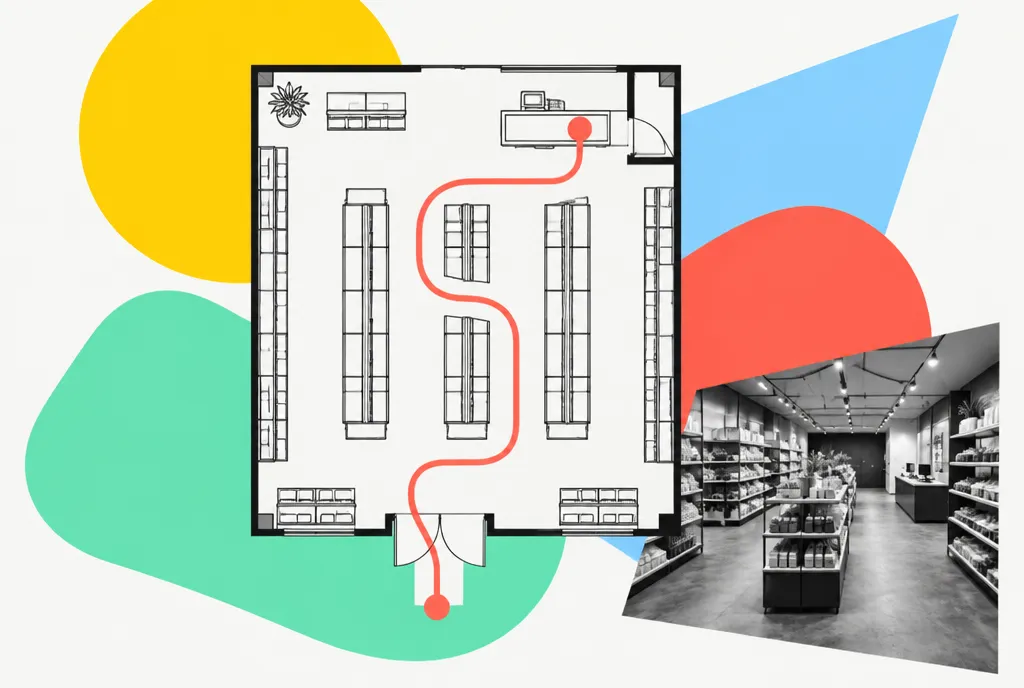
Layout investments promise better conversion, longer dwell and more efficient operations. This analysis explains how to judge them and what evidence a sound case needs.

A new chief executive or senior appointment can mean continuity or a reset. This analysis explains how to read a leadership transition and which signals to track.