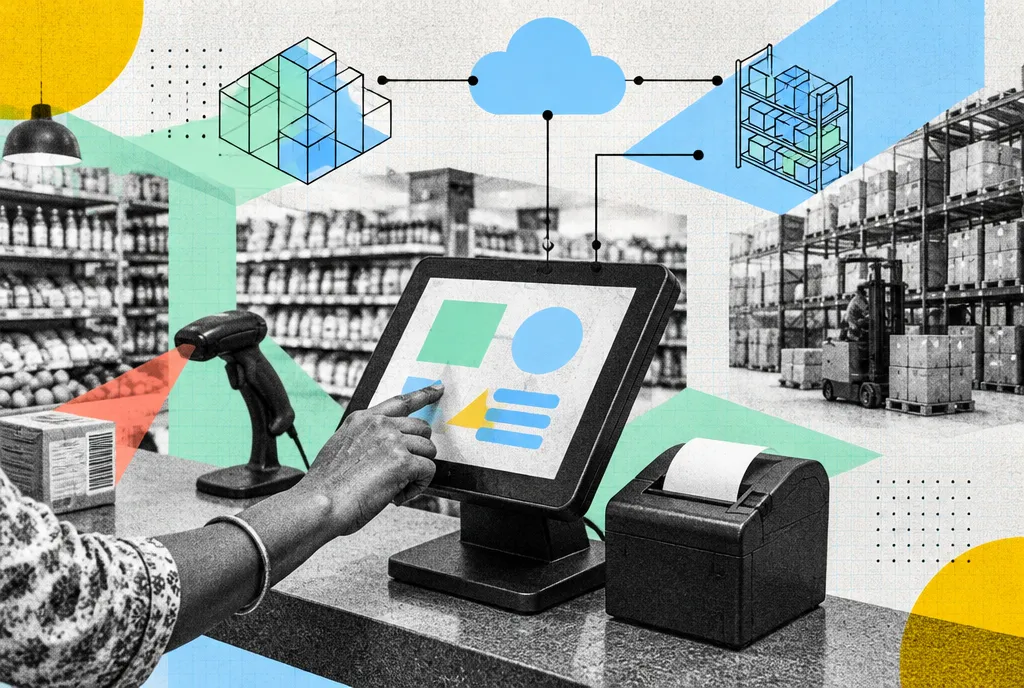
A point-of-sale system looks like a till. In practice it is where prices, promotions, inventory, payments, loyalty and tax compliance meet, at the moment a customer wants to leave. Replacing it touches every one of those systems. That is why POS system upgrades so often overrun on budget and time, and why the retailers that handle them well treat them as operational change programmes rather than software purchases.
Where the real cost sits
Licence or subscription fees and new hardware are the visible costs. The less visible ones are usually larger:
- Integration: connecting the POS to the ERP, inventory system, e-commerce platform, loyalty programme and payment providers, including UPI and card acquirers.
- Data migration: cleaning the item master, barcodes, tax codes and price lists. Errors here show up immediately at checkout as wrong prices or unrecognised items.
- Compliance: GST invoicing and any e-invoicing obligations have to work correctly from the first day.
- Training: cashiers, store managers and back-office staff need different training, and store staff turnover means training is never finished.
- Downtime: every hour a store cannot bill is lost revenue, so cutover planning matters.
The POS system rollout decision
Most retailers pilot in a small number of stores before rolling out widely. The choice of pilot stores matters. Stores that are too simple will not expose problems with complex promotions, returns or peak volumes. Stores that are too important carry too much risk if things go wrong. A sensible pilot covers a range of formats and includes at least one store with heavy weekend or festive traffic.
Timing matters as much. Retailers generally avoid cutovers close to the festive season. A system that fails during the busiest weeks can cost more than the upgrade was ever meant to save.
Offline resilience deserves particular attention in India. Stores with unreliable connectivity need a POS that keeps billing when the network drops and synchronises cleanly afterwards, without duplicate transactions or stock errors.
How to judge whether it worked
The benefits claimed for new POS systems include faster checkout, better inventory accuracy, cleaner customer data and simpler promotions. Each can be measured, but only if the retailer records a baseline before the switch. Useful measures include average transaction time at peak, the rate of price overrides and voids, the gap between system stock and physical counts, and the share of transactions linked to an identified customer.
Without a baseline, a retailer cannot tell whether the new system improved anything or simply replaced old problems with new ones.
The decision that most shapes the outcome is made before any software is chosen: who owns the project. When store operations owns it alongside the technology team, the system tends to be built around how stores actually work, and adoption follows. When it is owned by technology alone, stores often find workarounds that quietly erode the benefits.
Questions this story answers
What are the hidden costs of a POS system upgrade?
Beyond licence fees and hardware, the larger costs are integration with ERP, inventory, e-commerce, loyalty and payment providers; data migration of item masters, barcodes, tax codes and prices; GST and e-invoicing compliance; training for staff at every level; and downtime when stores cannot bill.
When should a retailer switch to a new POS?
Retailers generally avoid cutovers close to the festive season, because a system that fails during the busiest weeks can cost more than the upgrade was meant to save. Most pilot in a small number of stores covering different formats before rolling out widely.
How do you measure whether a new POS worked?
Record a baseline before the switch. Useful measures include average transaction time at peak, the rate of price overrides and voids, the gap between system stock and physical counts, and the share of transactions linked to an identified customer.