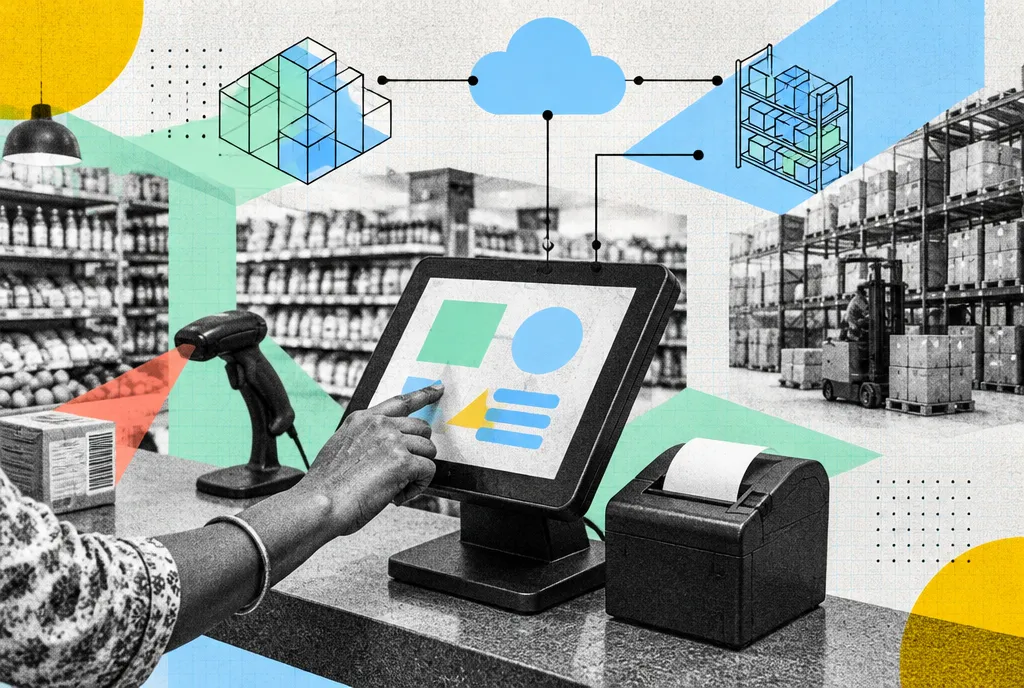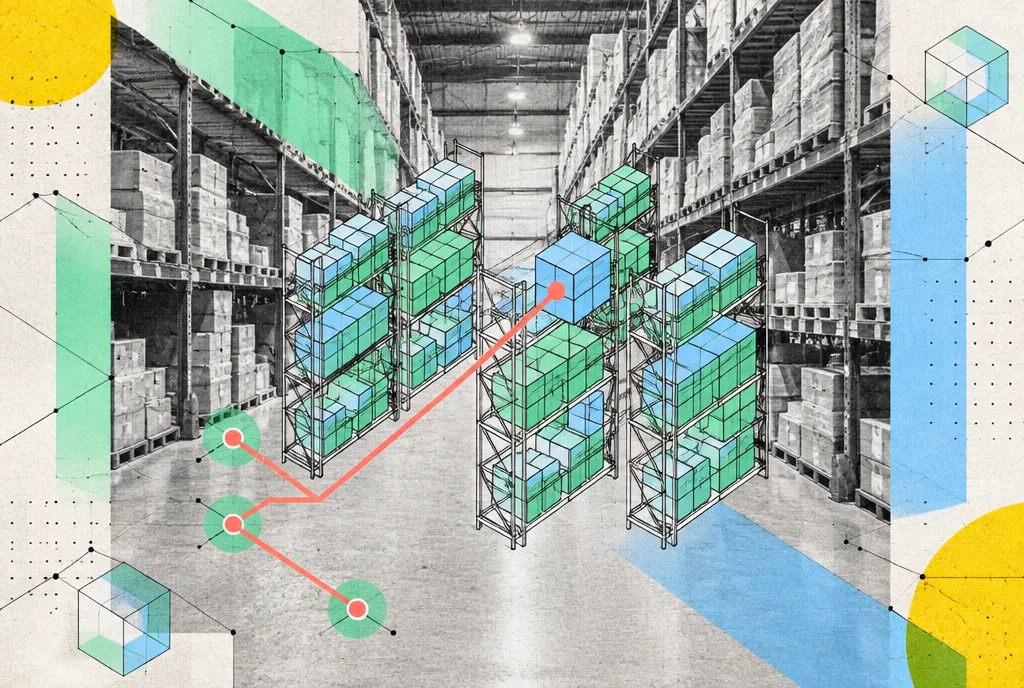
Digital shelf analytics is a broad label. It covers tools that monitor how products appear on marketplaces and quick commerce apps, tracking availability, price, search position, ratings and content. It also covers in-store systems that use photographs from staff phones, fixed cameras or field audits to check what is physically on the shelf. Both promise the same thing: a clearer view of whether a product is available and visible where shoppers are looking. Both have limits that buyers of these tools should understand.
What digital shelf analytics data can show
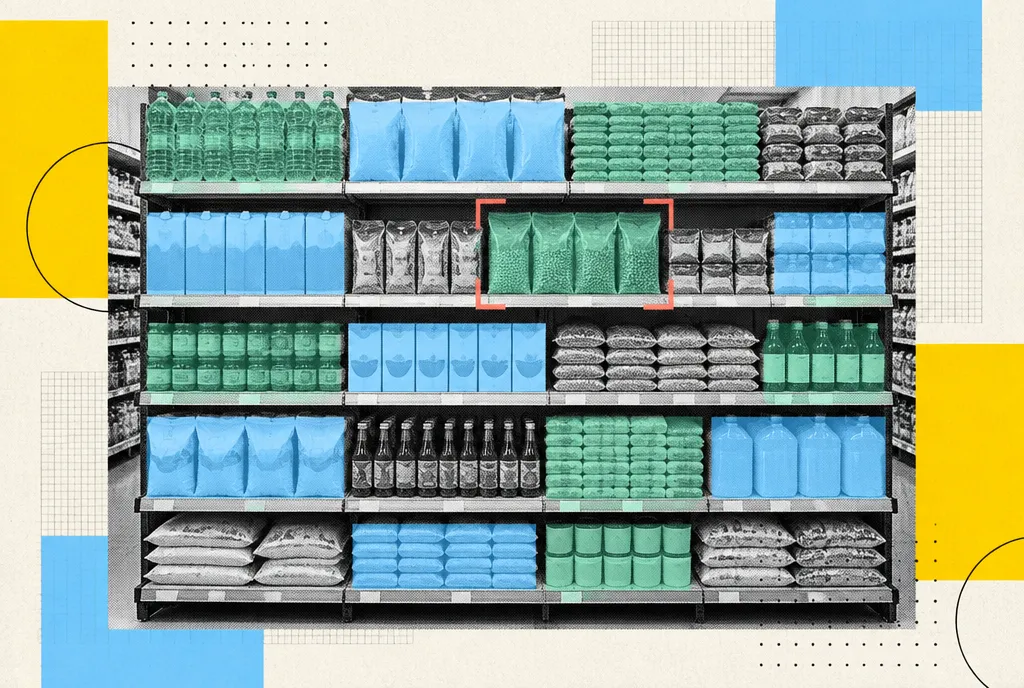
At its best, shelf analytics turns a blind spot into a regular measurement. Online, it can show whether a product is listed and in stock across pin codes, how its price compares with competitors, whether its images and descriptions are complete, and where it appears when a shopper searches the category. In stores, image recognition can check whether a product is present, how many facings it has, whether it sits in the agreed position and whether the shelf matches the planogram.
For brands, this replaces occasional manual audits with more frequent observation. For retailers, it can expose gaps between what the system says is in stock and what a shopper can actually find.
Where it falls short
- Coverage: online monitoring samples specific locations and times. Quick commerce availability can change by dark store and by hour, so a snapshot may miss what most shoppers saw.
- Personalisation: search results and prices can differ by user, so a tool's view of the digital shelf is not always what a given shopper sees.
- Recognition errors: in-store image systems can confuse similar packs, variants and pack sizes, especially after a packaging redesign.
- Cause: a tool can report that a product was missing. It usually cannot say whether the cause was a warehouse shortage, a late delivery, a shelf nobody refilled or a listing error.
From observation to action
The difference between an observation and an insight is whether someone can act on it. A report showing a product was out of stock on a platform in a given area is useful only if it reaches the person who can fix the cause, quickly enough to matter. Many shelf analytics programmes generate long lists of issues that no team owns.
Before investing, operators should ask how the data is collected and how often, how accuracy is checked against physical audits, and which internal team will own each type of alert. The outcome measures that count are improvements in on-shelf availability and in the time taken to close gaps, not the volume of alerts produced.
The point to watch is whether shelf data begins to feed directly into replenishment and merchandising workflows. Until it does, it remains a monitoring tool rather than an operating one, and its cost will be hard to defend at renewal.
Questions this story answers
What does digital shelf analytics measure?
Online, whether a product is listed and in stock across pin codes, its price against competitors, completeness of images and descriptions, and search position. In stores, image recognition checks presence, number of facings, agreed position and whether the shelf matches the planogram.
What are the limits of shelf analytics tools?
Online monitoring samples specific locations and times, and search results and prices can be personalised. In-store image systems can confuse similar packs and variants, especially after a redesign. Tools can report a missing product but usually cannot identify the cause.
What should retailers ask before buying shelf analytics?
How the data is collected and how often, how accuracy is checked against physical audits, and which internal team will own each type of alert. Success should be judged on on-shelf availability and time taken to close gaps, not alert volume.