Most consumer brands that sell online face a choice of channel. Marketplaces offer reach and ready demand. A brand's own website offers control and a direct relationship. The real difference shows up not on the first order but on the second, and in who captures the value of a repeat customer.
Acquisition: rented reach and built reach
On a marketplace, a brand pays commissions and usually advertising to appear in front of shoppers who are already searching. Conversion can be strong because trust in the platform, its payment options and its delivery promises is already established. The brand does not have to build traffic from nothing.
On its own website, the brand must attract every visitor through search, social media, partnerships or paid advertising. The cost of winning a first order can be high, and conversion is often lower because the shopper must trust an unfamiliar checkout. Commission is avoided, but payment, logistics and technology costs fall on the brand.
The data question
Marketplaces control the customer relationship. Brands typically receive aggregated sales data but limited customer-level information, and they cannot contact shoppers directly outside the platform. A customer who buys again may do so through the marketplace's own recommendations, and the brand pays fees and often advertising again for that repeat purchase. Competing products are always a click away on the same page.
A brand's own website captures first-party data: contact details given with consent, purchase history and browsing behaviour. That data supports email and messaging, personalised offers, subscriptions and product development. India's data protection law places obligations on how such data is collected and used, but the brand at least holds it.
Comparing margins over a repeat customer's lifetime
The fair comparison is contribution margin across all of a customer's purchases, not on a single order. On a marketplace, each order carries similar fees, so the margin on repeat orders resembles the first. On an owned channel, the first order often loses money after acquisition costs, while repeat orders reached through low-cost owned channels can be far more profitable.
The owned model therefore depends on retention. If customers rarely return, the high acquisition cost never pays back. Categories with natural replenishment, such as personal care, food and pet supplies, suit the owned route better than one-off purchases.
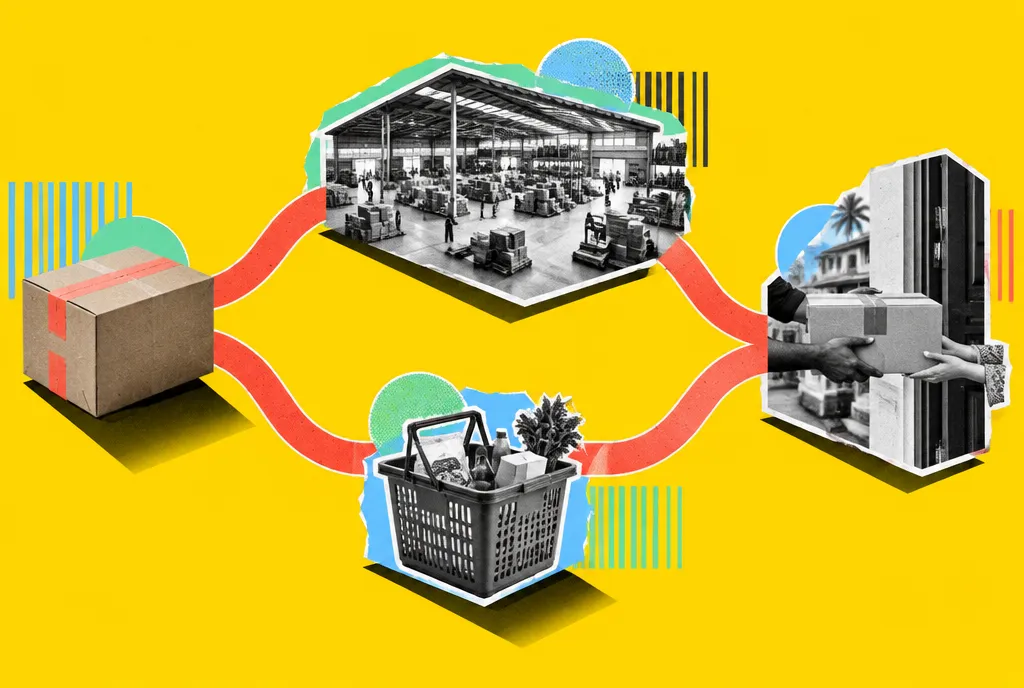
Many brands run both channels and give each a different job: marketplaces for discovery and reach, the owned website for loyalty, subscriptions and new launches. Price parity across channels matters, since steeper discounts on one undermine the other.
Brands should track repeat purchase rate, the time to a second order and cumulative contribution margin per customer, grouped by the channel of first purchase. The decision that follows is where the next unit of marketing budget goes. If owned-channel customers return often, retention spending there earns its keep. If they do not, the marketplace's rented reach is the cheaper option.
Questions this story answers
Should a brand sell on a marketplace or its own website?
Many brands run both and give each a different job: marketplaces for discovery and reach, the owned website for loyalty, subscriptions and new launches. The choice for marketing budget depends on whether owned-channel customers return often enough to repay acquisition costs.
Who owns customer data when selling on a marketplace?
The marketplace controls the customer relationship. Brands typically receive aggregated sales data but limited customer-level information and cannot contact shoppers directly outside the platform. An own website captures first-party data, subject to India's data protection law.
Which metrics show if an owned e-commerce channel pays off?
Track repeat purchase rate, time to a second order and cumulative contribution margin per customer, grouped by the channel of first purchase. If owned-channel customers return often, retention spending there earns its keep; if not, marketplace reach is cheaper.