For online retail, a return is not the end of a sale but the start of a second operation: the business of returns. The product has to be collected, transported, inspected, sorted and then sold again, repaired, sent to a secondary channel or disposed of. Each step costs money, and the outcome decides how much of the original sale value is recovered.
From doorstep to processing centre
Returns usually begin with a pickup. Forward deliveries are consolidated in large batches, while reverse pickups are scattered, single-item and often unscheduled, which makes them expensive per unit. Couriers may need to perform a basic check at the doorstep to confirm the item matches the order, adding time to each visit.
Collected items travel back through hubs to a returns processing centre run by the marketplace, a logistics partner or the seller. Transit is often slower than for forward shipments, and seasonal products lose value while they wait.
Inspection and grading
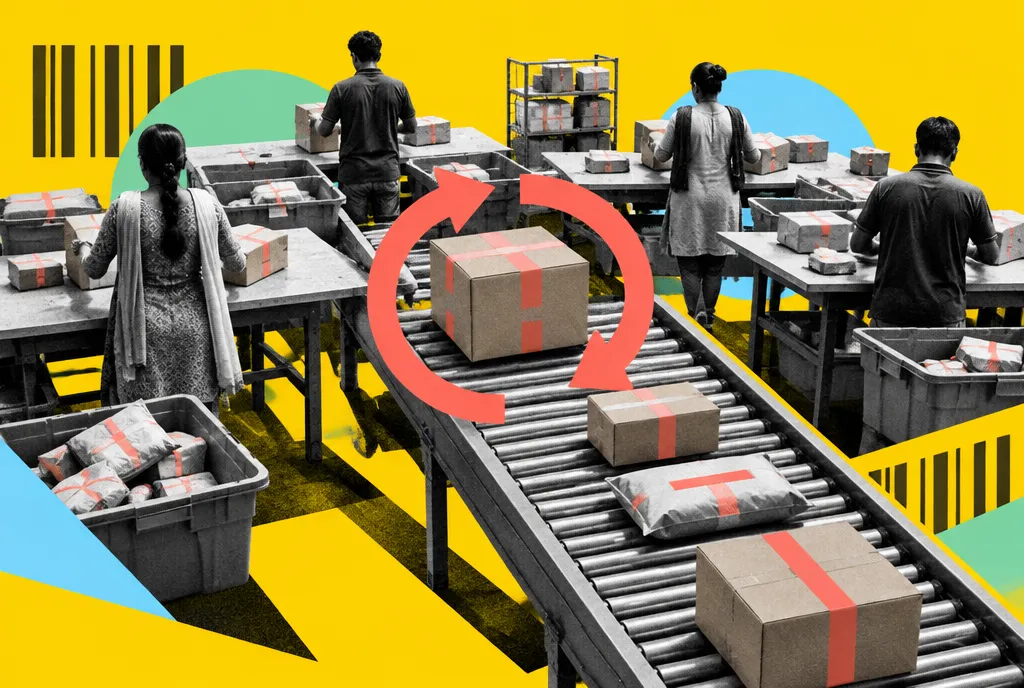
At the centre, each item is opened and graded. Typical outcomes include:
- Resaleable as new, returned to stock after repackaging.
- Open box or lightly used, sold at a discount through outlets or refurbished channels.
- Repairable, sent for refurbishment, common in electronics and appliances.
- Damaged or incomplete, sold to liquidators by weight or lot, or recycled.
- Unsaleable, disposed of under the applicable waste rules.
Grading requires trained staff and clear standards, and disputes arise when a seller believes the returned product differs from what was shipped. Fraudulent returns, where a different or used item comes back, add investigation costs.
The recovery rate, the share of original value regained, varies sharply by category. Apparel in good condition can return to stock quickly, though it may miss its selling season. Electronics often need testing and new packaging. Personal care and food items are frequently unsaleable once opened, for hygiene reasons.
The total cost of a return includes forward shipping that cannot be recovered, reverse transport, processing labour, repackaging and the markdown on items that cannot be sold as new. In high-return categories this cost can shape overall profitability more than marketplace commission does.
What sellers can change in the business of returns
The cheapest return is the one that never happens. Accurate size guides, better product photography, honest descriptions and sturdy packaging reduce returns caused by mismatched expectations or damage in transit. Policies matter too: shorter windows, exchange-first options and restrictions on certain categories reduce volumes, though they can affect conversion.
Sellers should track return reasons by product and the value recovered from each return. Together those two figures point to the decision that matters: whether a high-return product needs a better listing, different packaging or removal from the online catalogue altogether.
Questions this story answers
What happens to products returned to online sellers?
Returned items are collected, sent to a processing centre and graded. They may be restocked as new, sold at a discount as open box, refurbished, sold to liquidators by weight or lot, recycled, or disposed of under the applicable waste rules.
What does a product return actually cost an online seller?
The total includes forward shipping that cannot be recovered, reverse transport, processing labour, repackaging and the markdown on items that cannot be sold as new. Fraudulent returns add investigation costs, and in high-return categories this can outweigh commission.
How can online sellers reduce product returns?
Accurate size guides, better product photography, honest descriptions and sturdy packaging reduce returns from mismatched expectations or transit damage. Shorter windows, exchange-first options and category restrictions also cut volumes, though they can affect conversion.