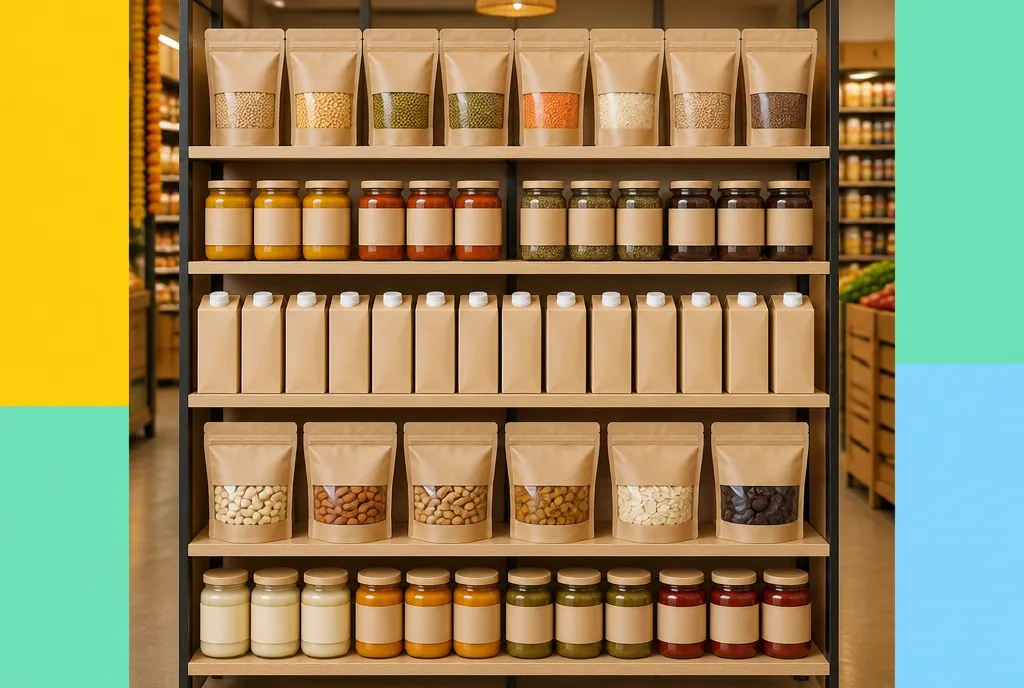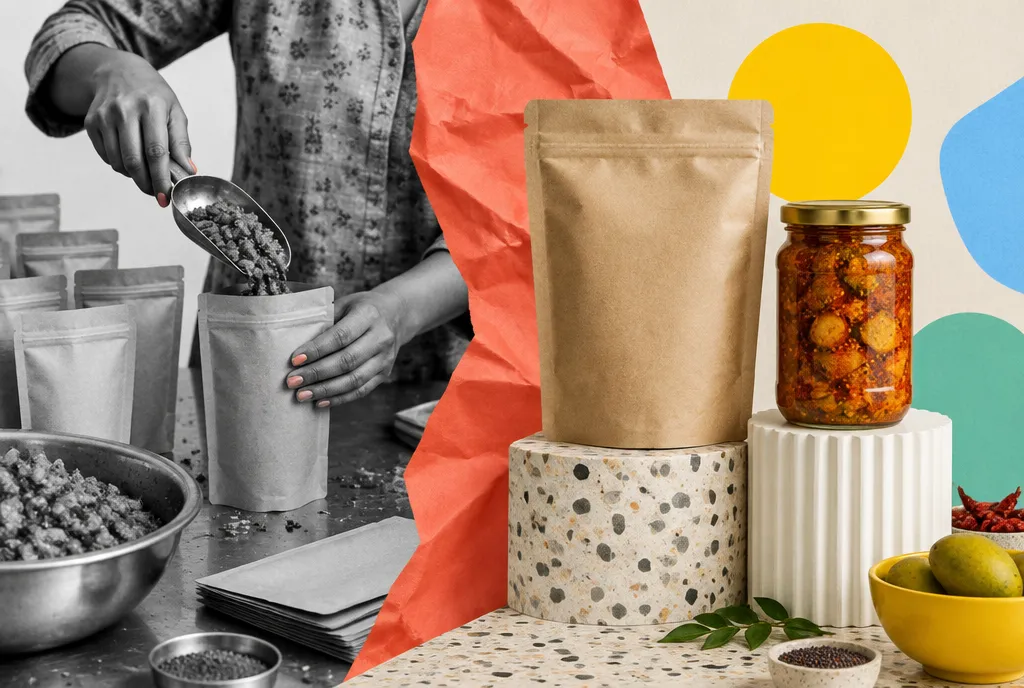
A food brand that sells well online has proven something real: people will pay for the product and come back for it. It has not yet proven that it can survive in physical retail. The move from its own website, marketplaces and quick commerce onto the supermarket shelf and into general trade changes almost every number in the business.
The margin stack changes on the supermarket shelf
Online, a young brand often controls its price and keeps a large share of it, though it pays heavily for customer acquisition, delivery and marketplace commissions. In physical retail the costs move. The retailer expects its trade margin. A distributor, and sometimes a super-stockist, expects theirs. Modern trade chains may ask for listing fees, promotional contributions, display payments and long payment terms. Products that do not sell may be returned or written off.
The result is that a product priced attractively online can look expensive on a supermarket shelf once every layer has taken its share. The alternative is for the brand to absorb those layers and watch its own margin thin. Many brands discover that their online pricing rested on a cost structure offline retail does not support.
Capacity and shelf life
Supplying stores requires stock in the pipeline: in the brand's warehouse, at the distributor, in the retailer's distribution centre and on the shelf. That pipeline has to be funded before revenue arrives. Manufacturing must scale without changes to taste or texture, a real risk when a brand moves from a small kitchen or a single contract manufacturer to larger runs.
Shelf life becomes critical. A product that sells within days online may sit for weeks in a distribution chain. Retailers commonly refuse stock with too little remaining life, and short-dated stock often finds its way back to the brand.
What operators are weighing
- Whether to start with a limited set of modern trade stores where existing online customers already shop, or with broader general trade distribution.
- How to choose distributors who will actively push a new brand rather than simply list it.
- How to keep online and offline prices close enough that neither channel undermines the other.
- Whether to reformulate or repack for longer shelf life, and at what cost to the product's appeal.
The test of a successful transition is rate of sale per store, not the number of stores listed. A brand on many shelves with slow turns will face delistings and returns. A brand on fewer shelves with strong repeat purchase has a base to build on.
The question to watch is whether online demand transfers to shelves at all. Brands should check whether areas with strong online sales show faster offline sell-through. If they do not, the online following may reflect a channel habit rather than a preference for the brand, and the offline plan needs rethinking before more stores are added.
Questions this story answers
Why do online food brands struggle in supermarkets?
Physical retail adds layers of cost: the retailer's trade margin, distributor and sometimes super-stockist margins, plus listing fees, promotional contributions, display payments and long payment terms. A product priced well online can look expensive on shelf, or the brand absorbs the layers and its margin thins.
How important is shelf life when moving into modern trade?
Critical. A product that sells within days online may sit for weeks in a distribution chain. Retailers commonly refuse stock with too little remaining life, and short-dated stock often comes back to the brand, so some brands weigh reformulating or repacking for longer life.
What is the best measure of offline success for a food brand?
Rate of sale per store, not the number of stores listed. A brand on many shelves with slow turns faces delistings and returns, while a brand on fewer shelves with strong repeat purchase has a base to build on.