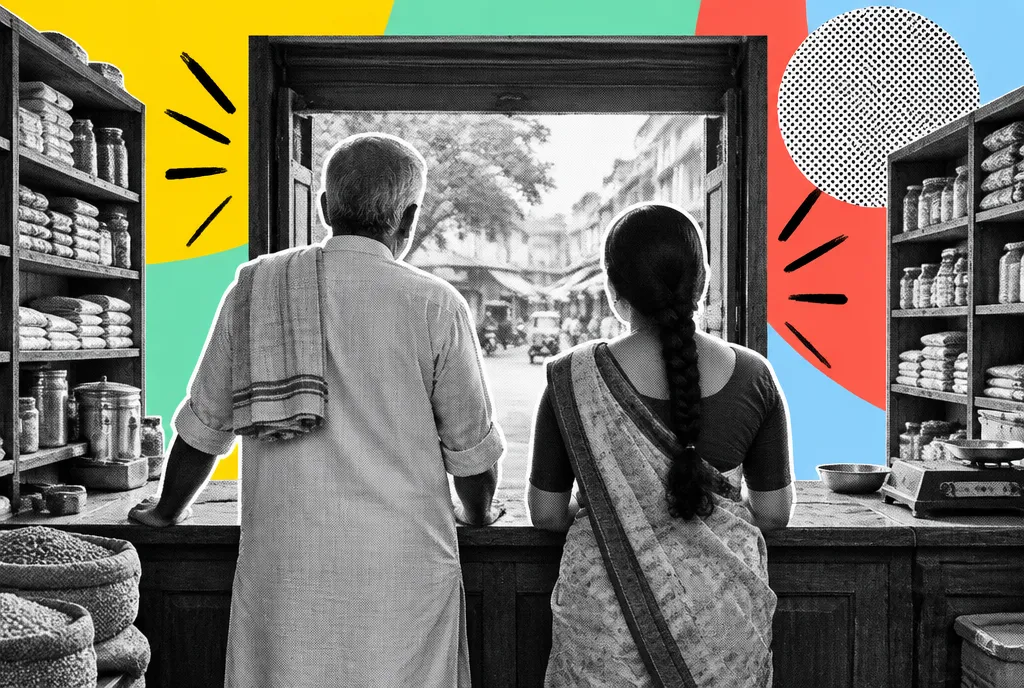
A large part of Indian retail is family-owned, from single-store businesses to regional chains with dozens of outlets. In these businesses, the handover to the next generation is one of the most consequential events in the company's life. It decides who holds authority, how decisions get made and whether the business modernises or stalls.
Why succession to the next generation is hard in retail
Family retail businesses often rest on knowledge that is rarely written down: supplier relationships built over decades, a feel for local customers, credit arrangements and the judgement to price and buy by instinct. The founding generation may hold all of this personally. The next generation may have formal education and fresh ideas, but not the same relationships or the same authority with long-serving staff.
Tension often follows. The incoming generation may want to invest in technology, professional managers, new formats or online channels. The outgoing generation may see those investments as risky or unnecessary, given the business's track record. Neither view is automatically right.
The structures that tend to help
Families that manage succession well usually treat it as a governance question, not only a family one. Common elements include:
- A defined timeline for transferring responsibility, so authority does not remain ambiguous for years.
- Structured apprenticeship, in which the next generation works across functions, including stores, buying and finance, before taking charge.
- Clear roles where several family members are involved, so that decisions do not depend on informal consensus.
- A family constitution or agreement covering ownership, employment of family members, dividend policy and dispute resolution.
- Outside voices, such as independent directors or advisers, who can test decisions without family loyalties.
Professional management and its limits
Bringing in professional managers is often presented as the answer to succession. It can be, but it creates its own questions. How much authority will outside executives have? Will family members respect decisions they disagree with? Can professional managers keep the supplier and customer relationships the family built? Businesses that hire senior professionals without settling these questions often see them leave quickly.
There is also the choice of whether the next generation should run the business at all. Some families separate ownership from management, keeping control at board level while professionals operate the company. Others prefer family leadership with professional support beneath.
Credible evidence on succession comes from changes in decision-making structures, not announcements. Signs include formal boards that meet regularly, audited accounts, documented policies, delegated authority to non-family managers and investment plans that outlast a single leader.
The decision that matters is timing. Families that begin the transition while the founding generation can still guide it tend to transfer relationships as well as titles. Those that wait for a crisis often transfer only the title.
Questions this story answers
How should a family retail business plan succession?
Treat it as a governance question. Set a defined timeline for transferring responsibility, give the next generation structured apprenticeship across stores, buying and finance, define clear roles, agree a family constitution and bring in independent directors or advisers.
Should a family retail business hire professional managers?
It can help, but families must settle how much authority outsiders will have, whether family members will respect their decisions and whether they can keep supplier and customer relationships. Some separate ownership from management, others keep family leadership with professional support.
What are signs that a family business succession plan is real?
Look for changes in decision-making structures rather than announcements: formal boards that meet regularly, audited accounts, documented policies, delegated authority to non-family managers and investment plans that outlast a single leader.