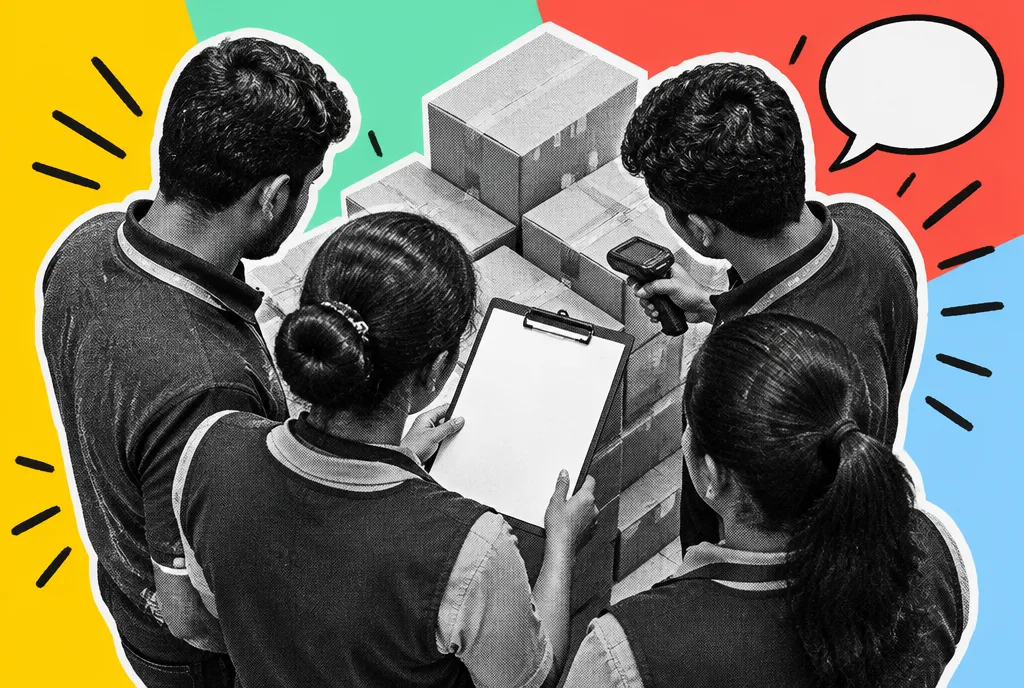
The people closest to customers and products see problems first. A cashier notices which promotions confuse shoppers. A store manager knows which deliveries arrive late. A warehouse picker sees which packaging tears. Yet in many retail organisations, this frontline feedback reaches decision-makers slowly, partially or not at all.
Why frontline feedback gets lost
Several structural factors filter what reaches leadership:
- Distance. Large chains have several layers between the store floor and head office. Each layer summarises, and detail disappears.
- Metrics. Dashboards show what was measured, not what staff observed. A product may sell poorly because it is shelved in the wrong place, but the sales figure alone does not say so.
- Incentives. Staff may hesitate to report problems that reflect badly on their store or their manager.
- Time. Frontline teams are busy serving customers and handling stock. Reporting feels like an extra task with no visible result.
- Response. If feedback is collected and nothing changes, staff stop offering it.
How organisations bring it upward
Retailers use a mix of formal and informal channels. Store visits by senior leaders, when they include time with staff rather than only managers, can surface problems quickly. Structured feedback systems, such as short surveys, suggestion apps or regular store calls, collect observations at scale. Cross-functional reviews that include store and warehouse representatives bring operational reality into decisions about products, processes and technology.
The quality of the channel matters less than the follow-through. Feedback that is visibly acted on, and reported back to the people who raised it, encourages more of it. Feedback that disappears teaches staff that speaking up is pointless.
Frontline input tends to have the most influence on decisions where operational detail matters:
- Product and packaging, where staff see damage, complaints and confusion about labels.
- Process design, such as replenishment routines, checkout procedures and returns handling.
- Technology rollouts, where store teams find usability problems that testing missed.
- Customer experience, where staff hear complaints that never reach formal channels.
What evidence would show
Judging whether an organisation genuinely uses frontline insight would require looking at how feedback is captured, how quickly it is reviewed, what proportion leads to action and whether staff say they see results. Claims of listening are common; documented loops from observation to decision are rarer.
The test worth watching is whether leaders change a decision because of what the floor told them, and say so openly. That single act does more to keep information flowing than any feedback system.
Questions this story answers
Why does frontline feedback fail to reach retail leaders?
Layers between store floor and head office summarise away detail, dashboards miss what staff observe, staff hesitate to report problems that reflect badly on their store, busy teams see reporting as an extra task, and feedback that changes nothing stops coming.
How can retailers collect feedback from store staff?
Senior leaders can visit stores and spend time with staff rather than only managers. Short surveys, suggestion apps and regular store calls collect observations at scale, and cross-functional reviews bring store and warehouse representatives into decisions.
How do you know if a retailer really uses frontline insight?
Look at how feedback is captured, how quickly it is reviewed, what proportion leads to action and whether staff say they see results. Claims of listening are common, while documented loops from observation to decision are rarer.