EPR for plastic packaging makes the company that puts plastic on the market answer for collecting, recycling and reusing it. Under the Plastic Waste Management Rules, that includes supermarkets, retail chains and online marketplaces, unless they are micro or small enterprises. In 2026-27, the rules also require 40% recycled plastic in rigid packaging. Here is what the obligation asks of a brand owner or retailer, as amended up to 31 March 2026.
Who EPR for plastic packaging covers
The rules define a brand owner as a person or company selling any commodity under a registered brand label or trade mark. On that wording, a chain's private label is an obvious case to check, even if a contract manufacturer fills the pack.
Imports count separately. An importer of products in plastic packaging is obligated too, and an entity that falls into more than one group must register under each.
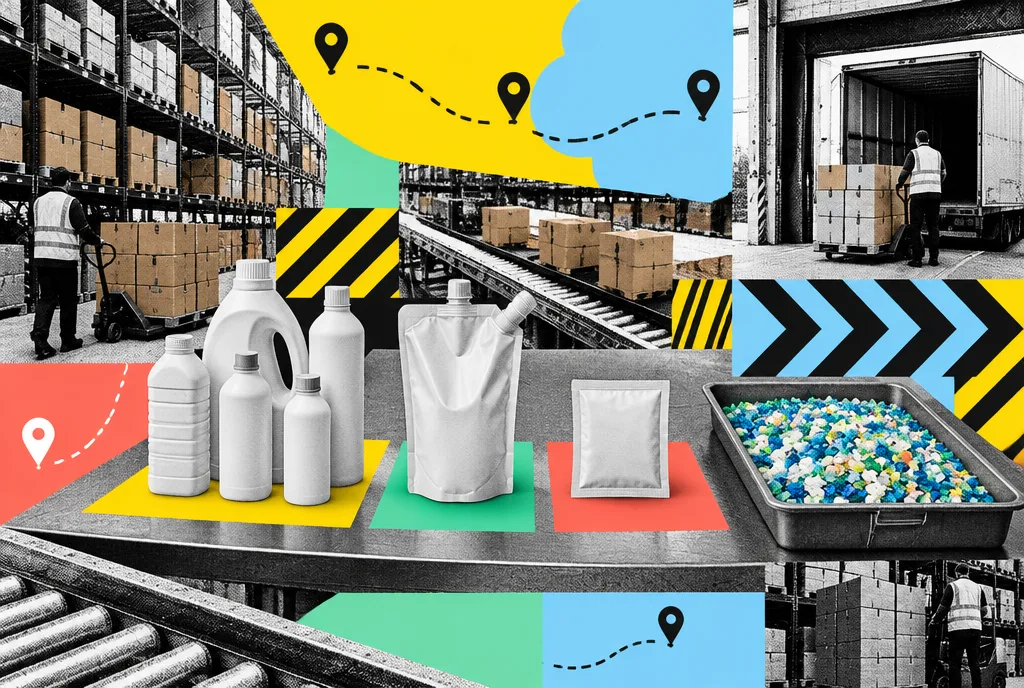
Packaging is sorted into categories. Category I is rigid. Category II is flexible, including carry bags, sachets and pouches. Category III is multilayered, with at least one non-plastic layer. Categories IV and V cover compostable and biodegradable plastics.
The four duties
Register. Obligated entities must register on the CPCB's centralised portal. They cannot carry on business without registration, and they cannot deal with unregistered entities in the chain.
Meet the recycling target. A brand owner's EPR target is based on the average weight of virgin plastic packaging bought and put on the market over the last two financial years, plus pre-consumer packaging waste. The target has stood at 100% of that quantity since 2023-24. Within it, the minimum share recycled rather than sent to end-of-life disposal is 70% for Category I and 50% for Categories II and III in 2026-27.
Use recycled content. The 2026 amendment restated these targets, which started in 2025-26.
Categories II and III step up to 20% and 10% from 2027-28, and Category I reaches 60% from 2028-29. Category III targets apply only to the weight of the plastic layers. Recycled plastic in imported material does not count, so importers must buy certificates from those who exceeded their obligation.
Two reliefs matter for food. The targets do not apply where a law or mandatory standard does not permit recycled plastic, but the entity must submit that law in its annual return. And an unmet 2025-26 target for food-contact packaging can be carried forward for up to three years from 2026-27, clearing at least a third each year.
Reuse rigid packs. Brand owners also carry a reuse duty on Category I packaging.
The target is 15% for packs from 0.9 to under 4.9 litres or kg, 75% for drinking water packs of 4.9 litres or more, and 10% for other large packs. An unmet 2025-26 target can be carried forward on the same one-third terms.
Labels, returns and penalties
Returns are due by 30 June after the financial year ends, with recycling certificates from registered recyclers. Brand owners must report total sales, virgin plastic and recycled content for rigid packaging.
Since 1 July 2025, producers and brand owners may give the required pack information through a barcode or QR code, a product brochure, or a unique number, and must tell the CPCB which they use. Recycled packaging must also meet IS 14534:2023 and carry the matching mark.
CPCB's compensation guidelines set ₹5,000 per tonne for a shortfall, ₹10,000 for a second instance and ₹20,000 for a third, and say rates should be reviewed every six months, so check the current figure. Payment does not clear the obligation. Fill the gap within one, two or three years and 75%, 60% or 40% comes back; after that it is forfeited. The 2025 amendment also added a penalty under section 15 of the Environment (Protection) Act.
A working checklist for retailers
- List every registered brand label and imported line, including private labels.
- Weigh plastic packaging by category for the last two financial years, including new channel packs.
- Check suppliers and recyclers are registered on the portal.
- Get recycled content evidence from pack suppliers, and record any legal exemption.
- Build these costs into packaging decisions before a new pack is signed off.
One item to watch: the 2026 rules gave the CPCB six months to prescribe audit and verification guidelines for recycled content, and registered environment auditors can now carry out audits alongside designated agencies. This explainer is general information rather than legal advice.
Questions this story answers
Do retailers have EPR duties for plastic packaging?
Yes. The rules list brand owners including online platforms, marketplaces, supermarkets and retail chains, other than micro and small enterprises. A brand owner is a person or company selling a commodity under a registered brand label or trade mark, so private labels need checking.
What are the recycled plastic targets for 2026-27?
Brand owners must use 40% recycled plastic in Category I rigid packaging, 10% in Category II flexible packaging and 5% in Category III multilayered packaging. By 2028-29 the targets rise to 60%, 20% and 10%, and exemptions apply where law bars recycled plastic.
What happens if a brand owner misses its EPR target?
CPCB guidelines set compensation of ₹5,000 per tonne, rising to ₹10,000 and ₹20,000 for repeat shortfalls. Payment does not clear the obligation. If the gap is filled within one, two or three years, 75%, 60% or 40% is returned.